.png)
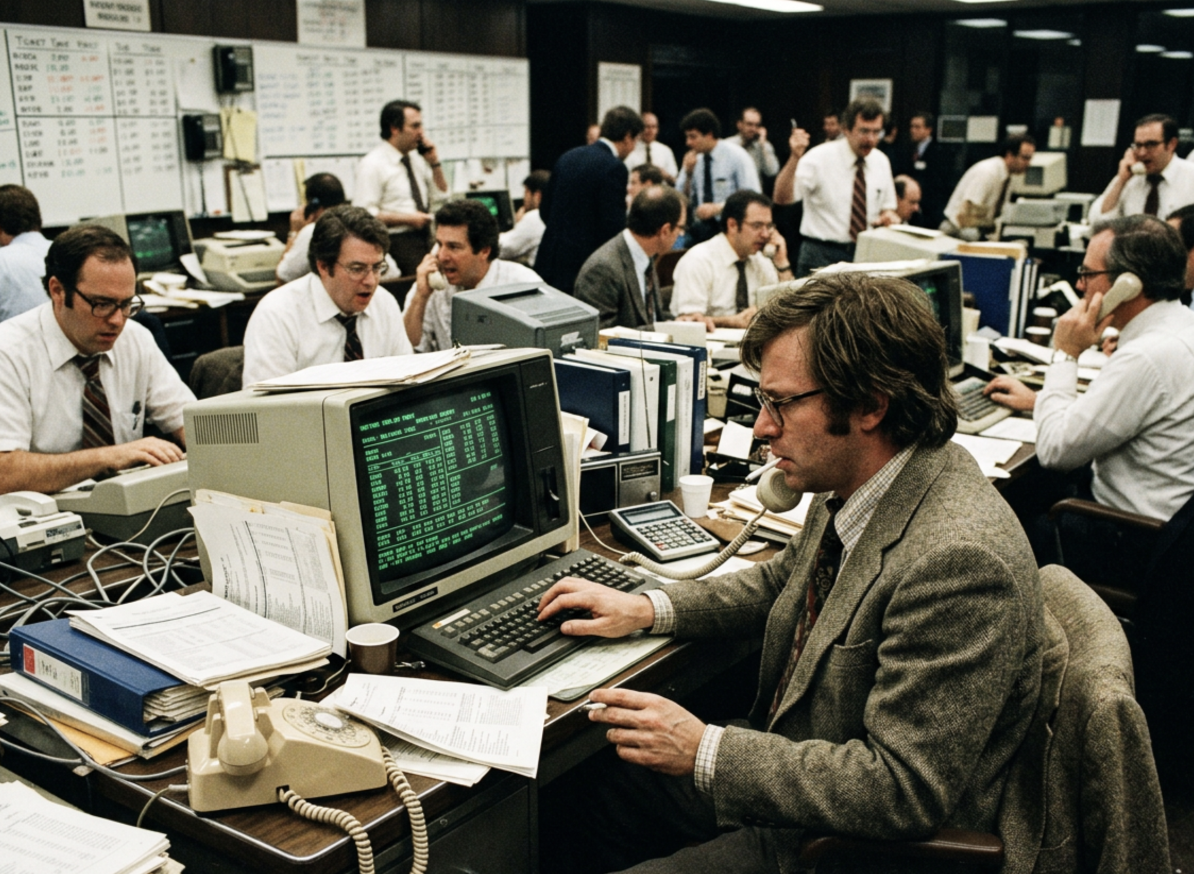
Microsoft's 2025 Work Trend Index confirmed it with telemetry from 31 million users. The average information worker now receives 117 emails per day. Add 153 Teams messages on top. They get interrupted every two minutes during core hours.
This is the operating system of most professional services firms. Audit, accounting, M&A, legal, insurance broking. The senior people you hired for judgment, expertise, and client relationships spend more than a full workday each week sorting through their inbox.
Email was never built for the job we ask it to do
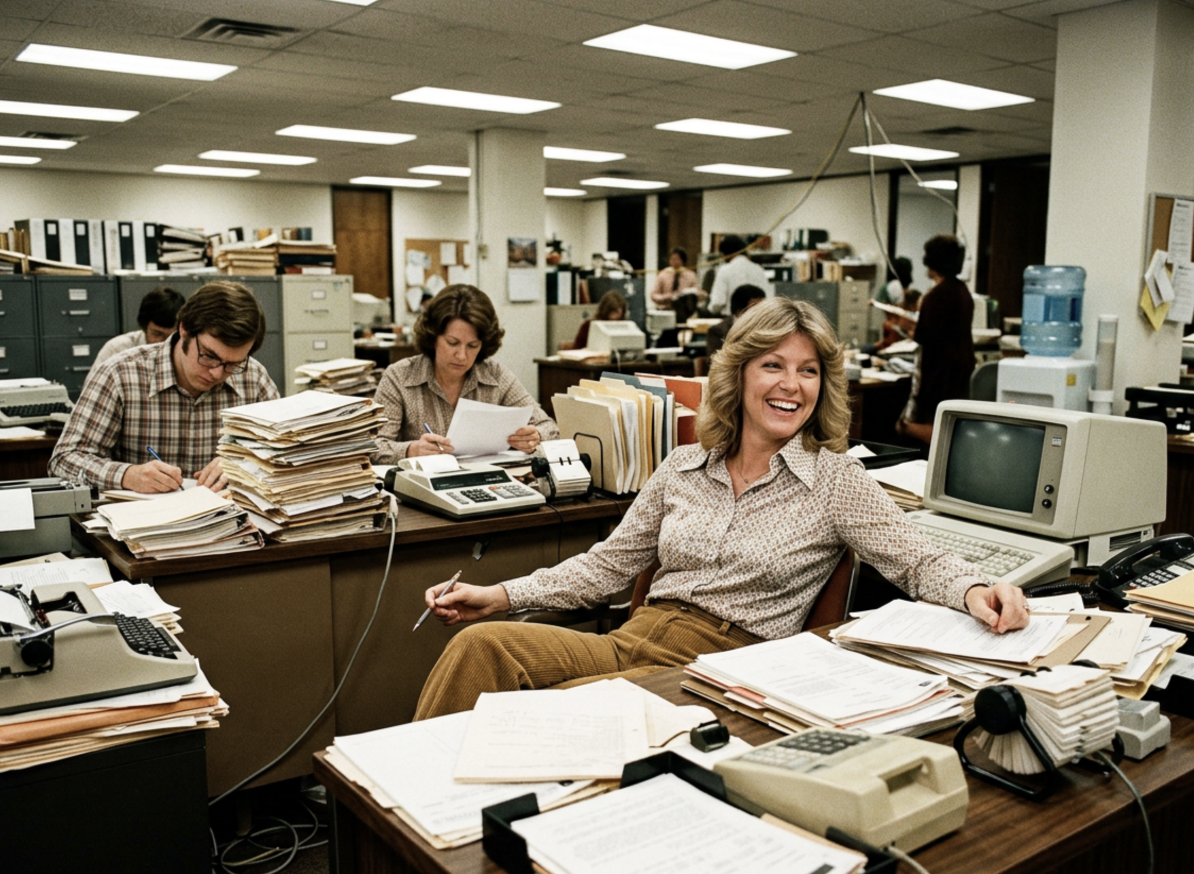
A request for a Q3 trial balance lives in the same thread as a calendar confirmation. A signed engagement letter sits buried under three "circling back" follow-ups. Status lives in someone's head. Deadlines live in a separate spreadsheet. Document versions multiply across attachments. Nobody knows who owes what by when.
So work expands to fill the space. People check email before 6am to get ahead. Forty percent do, according to Microsoft. They stay late to catch up. They lose 23 minutes refocusing after every interruption, per UC Irvine research. They feel busy. They produce less.
The cost shows up differently in each segment
For accounting and audit firms, this shows up as the readiness gap. Research from Suralink found that only 36% of client requests are completed accurately on the first attempt. Sixty-four percent need a second pass. That means another email. Another chase. Another delay against a regulatory deadline that does not move.
For M&A advisors running a sell-side process, the cost is sharper. Six to eight bidders, each with their own due diligence questions, each pushing for answers in parallel. The deal team becomes a switching center. Information flows through twelve people when it should flow through two.
The expertise has always been there. What slows firms down is everything around it.
This is the layer we built Alkmist for
Every document request, approval, and clarification lives in a structured taskflow instead of a thread. Clients see what is required and what is pending. Professionals see who owes what by when. Status is visible by default, not on request.
And with our new Inbox Agent, the layer extends into the inbox itself. Unstructured emails get read, classified, and turned into structured tasks automatically. A client sends three documents and a question in one message? The documents get filed against the right request. The question becomes an action item with an owner and a deadline. The professional sees a clean queue instead of a wall of text.
The coordination work that absorbs senior capacity in the background, the constant clarifications, follow-ups, document searches, status checks, is exactly where AI creates structural value. Provided it operates inside a system designed for structured collaboration. Not on top of a fragmented inbox.
The 11 hours a week your senior people lose to email is not a personal productivity problem. It is a workflow design problem. And it has a fix.
If you want to see what your firm's coordination layer looks like with structure underneath it, we'd be happy to walk you through it.