FREE REPORT, RESEARCH BY GHENT UNIVERSITY

The State of the Audit

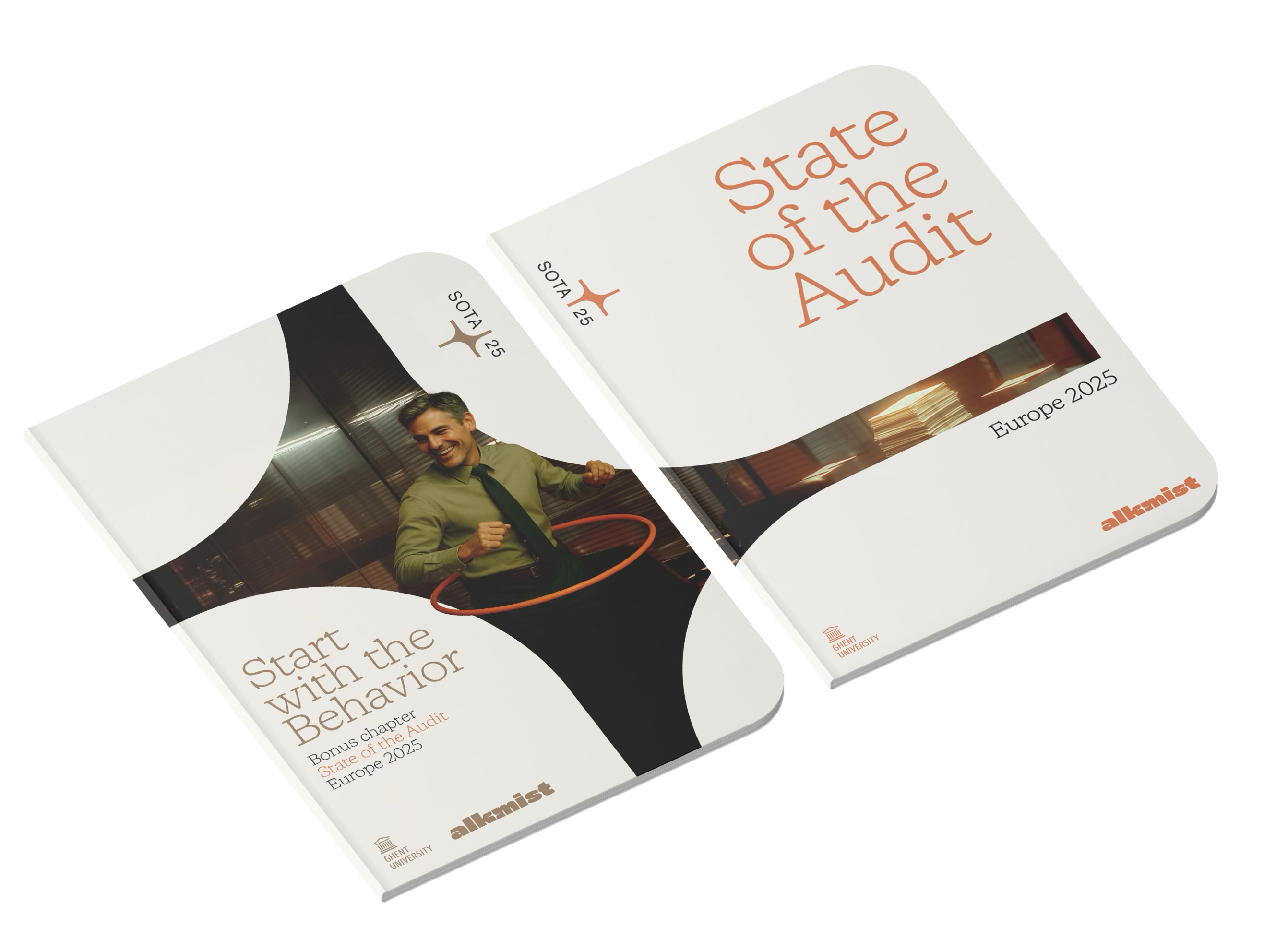
We asked 150 audit professionals and 100 business leaders across Benelux, Spain and Italy how audits actually get delivered. The gap between what firms believe and what clients experience turned out wider than anyone expected. This 60-page report, produced with Ghent University, maps every detail.
Takes 30 seconds. No sales call required.

State of the Audit report cover
150+
Audit professionals surveyed
100+
Business leaders interviewed
3
Markets (Benelux, Spain, Italy)
60
Pages of data and analysis

Six numbers from the report

Each of these came directly from the survey data. They paint a picture of an industry that talks about clients but builds for itself.

Emails per engagement

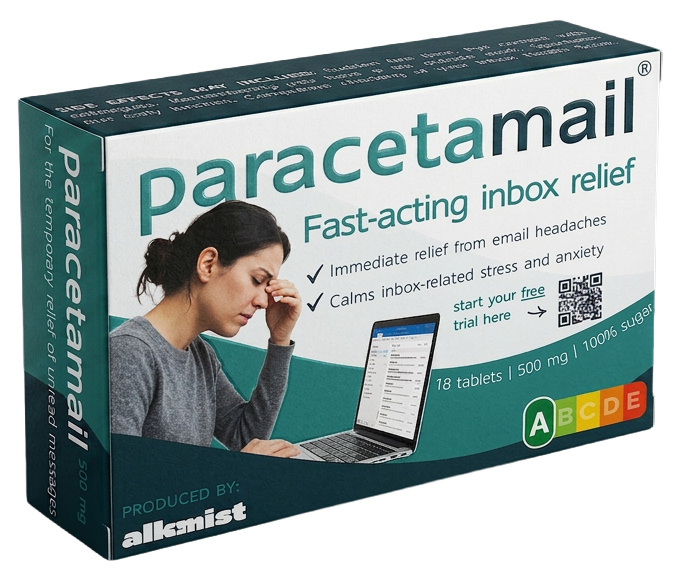
+2,000 emails per audit engagement

Most audit engagements run on email. Every document request, every follow-up, every "did you receive this?" sits in someone's inbox. 61% of the clients we surveyed said they'd resubmitted files because they never got confirmation the first ones arrived.

19%
Satisfied

73% say "digital." Only 19% are satisfied.

Nearly three quarters of firms claim they've gone through a digital transformation. But when asked about the tools they actually use with clients, only 19% said they were satisfied.

68%
Re-explain

68% re-explain their own company every year

Two thirds of the business leaders we spoke to said their auditor asked them to re-explain things that should already be on file. Org charts. Revenue models. Group structures. Year after year, the same conversation.

70%
No visibility

70% of clients can't see where their audit stands

No timeline. No progress view. No idea who's responsible for what. Seven out of ten clients said they had no visibility into audit progress, responsibilities, or deadlines. So they call. And the auditor stops what they're doing to answer.

€1.2M – €6M lost

15–35% of audit time goes to coordination

Auditors lose up to a third of their time tracking progress, chasing updates, and confirming what's been received. For a 100-person firm, that translates into €1.2M to €6M per year in unbillable time.

76%
Excess access

76% of auditors can open files they shouldn't

Three quarters of auditors surveyed can access documents they have no reason to see. Former users keep file access. Two-factor authentication is often missing. In a profession built on confidentiality, that's a structural risk.

The report covers 14 more findings like these.

Coordination costs, security gaps, the satisfaction disconnect between partners and managers, and what clients actually want from their auditor (spoiler: it's not another portal).

Get the full report
60 PAGES

What you'll find inside

We structured the report around the questions audit leaders actually ask us. Each section includes the raw numbers, a comparison across markets, and specific recommendations.

📊

Survey data by firm size, role, and market

150 responses from audit professionals in Belgium, the Netherlands, Luxembourg, Spain and Italy. Broken down so you can compare your firm to the rest.

🔍

What clients actually said

100+ business leaders scored their audit experience on communication, tools, and value. The satisfaction gap between what firms think and what clients report is a full 40 points on some questions.

📧

The coordination cost, calculated

We estimated how many hours a 100-person firm loses to email follow-ups, duplicate requests, and manual tracking. The number lands between €1.2M and €6M per year in unbillable time.

🔒

Security and access findings

76% of auditors surveyed can open documents they have no reason to see. We mapped the access control problem across firm sizes and looked at what GDPR exposure that creates.

📉

The "digital" gap

73% of firms say they've adopted digital tools. But when you ask about specific workflows (PBC lists, file collection, client communication), most of them still run on email and spreadsheets.

🎯

Recommendations for audit leaders

Eight concrete changes, ranked by effort and impact. These came from cross-referencing the survey data with what we see working at firms that have already moved.

FREE REPORT

Get the full 60-page report

Fill in the form and we'll send the PDF to your inbox within a minute. No drip campaigns, no "let me schedule a quick call" emails. Just the report.

  • All survey data from 150 audit professionals
  • Client satisfaction scores and the gap analysis
  • Coordination cost estimates per firm size
  • Security and access control findings
  • Eight ranked recommendations for firm leaders

Published by Alkmist in collaboration with Ghent University, 2025.

Download the report

We'll email you the PDF right away.

Want us to walk you through the findings?

We also offer a 45-minute readiness call where we go through the data in the context of your firm. You get the full raw dataset, a workflow review, and a list of specific bottlenecks we spot. No charge for the first session.

Book a readiness call →

150 auditors told us how it actually works.

Their clients told a different story. The gap between those two versions is where the report gets interesting. Grab your copy, take 20 minutes to read it, and see where your firm sits.

Get the free report

Alkmist × Ghent University, 2025
FAQ
We’re here to answer
your questions.
What is the State of the Audit?
Chevron down icon
A 60-page research report produced by Alkmist and Ghent University. We surveyed 150 audit professionals and 100+ business leaders across Benelux, Spain and Italy to find out how audits are actually delivered, where time gets lost, and what clients think about the experience.
Contact us
Who conducted this research?
Chevron down icon
Alkmist, a Ghent-based audit collaboration platform, partnered with Ghent University. The study covered three European markets and collected responses from both auditors and clients, which is how we identified the gap between what firms believe and what clients actually experience.
Contact us
Does the report cost anything?
Chevron down icon
No. The full 60-page PDF is free. Fill in the form and it lands in your inbox within a minute. No sales call follows, no credit card needed, no drip campaign. We built this to help the profession, not to gate it behind a paywall.
Contact us
What are the main findings?
Chevron down icon
73% of audit firms say they've gone digital, but only 19% of their clients agree. Auditors lose 15 to 35% of their time on coordination. 61% of clients resubmit files because no one confirmed receipt. 68% of clients re-explain basic company context every year. 70% have zero visibility into where their audit stands. And 76% of auditors can access documents they have no reason to see. The report goes deeper into each of these, broken down by firm size, role and market.
Contact us
Can follow-ups be tailored for different cultures or teams?
Chevron down icon
Yes. Communication styles aren’t universal. Alkmist adjusts messaging to fit cultural norms, professional expectations, and working relationships  whether that means formal, friendly, or neutral.
Contact us
How much time do auditors actually lose to coordination?
Chevron down icon
Between 15% and 35% of professional time goes to chasing updates, tracking document submissions, and confirming receipt. For a 100-person firm, that translates to somewhere between €1.2M and €6M per year in unbillable capacity. The report breaks this down by firm size and maps where the time goes.
Contact us
 Why do 68% of audit clients re-explain their company every year?
Chevron down icon
Because knowledge from prior audit cycles is typically trapped in email threads, personal files, or departed colleagues' inboxes. There's rarely a structured, accessible record of what was discussed and agreed in previous years. So the auditor asks again, and the client explains the same org chart, revenue model and group structure for the third year running.
Contact us
Does this replace human judgment?
Chevron down icon
No, it supports it. Alkmist removes the cognitive load of tracking, timing, and phrasing follow-ups, so teams can focus on relationships and outcomes instead of micromanagement.
Contact us
 What security issues did the report find?
Chevron down icon
76% of auditors surveyed said they can open client documents they shouldn't have access to. Former users frequently keep access after leaving a project. Two-factor authentication is optional at most firms. And with growing GDPR requirements, the gap between how confidential data should be handled and how it actually gets handled is widening.
Contact us
Can I share the report with my team?
Chevron down icon
Yes. Share it internally, forward the PDF, print it, put it on the table at your next partner meeting. We wrote it to be read widely. If your colleagues want their own copy, they can download it from this page.
Contact us
Got a quick q?
Talk directly with our founders.
Talk to Mathias & Toto