No more chasing. Collaboration that actually works.
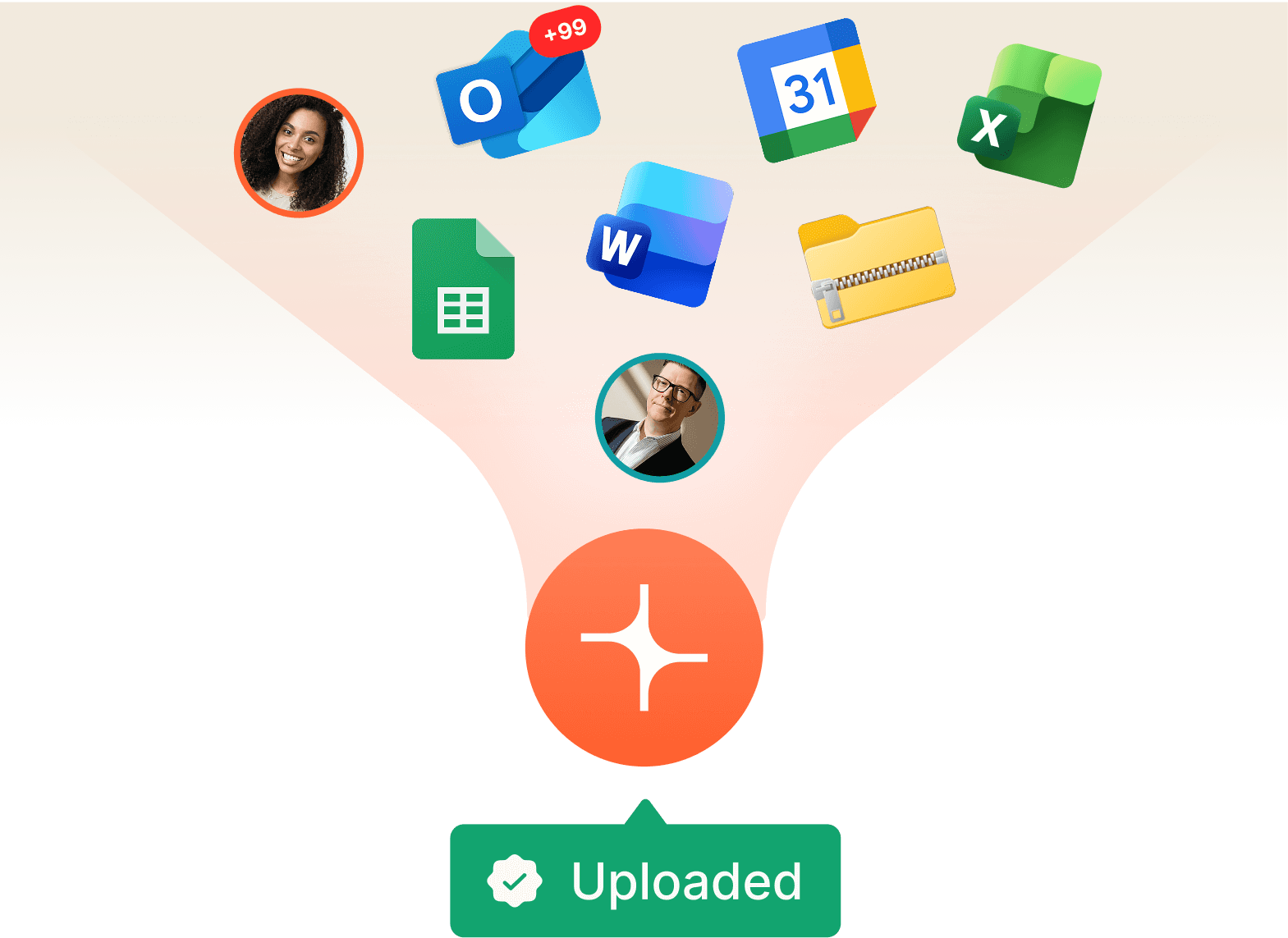
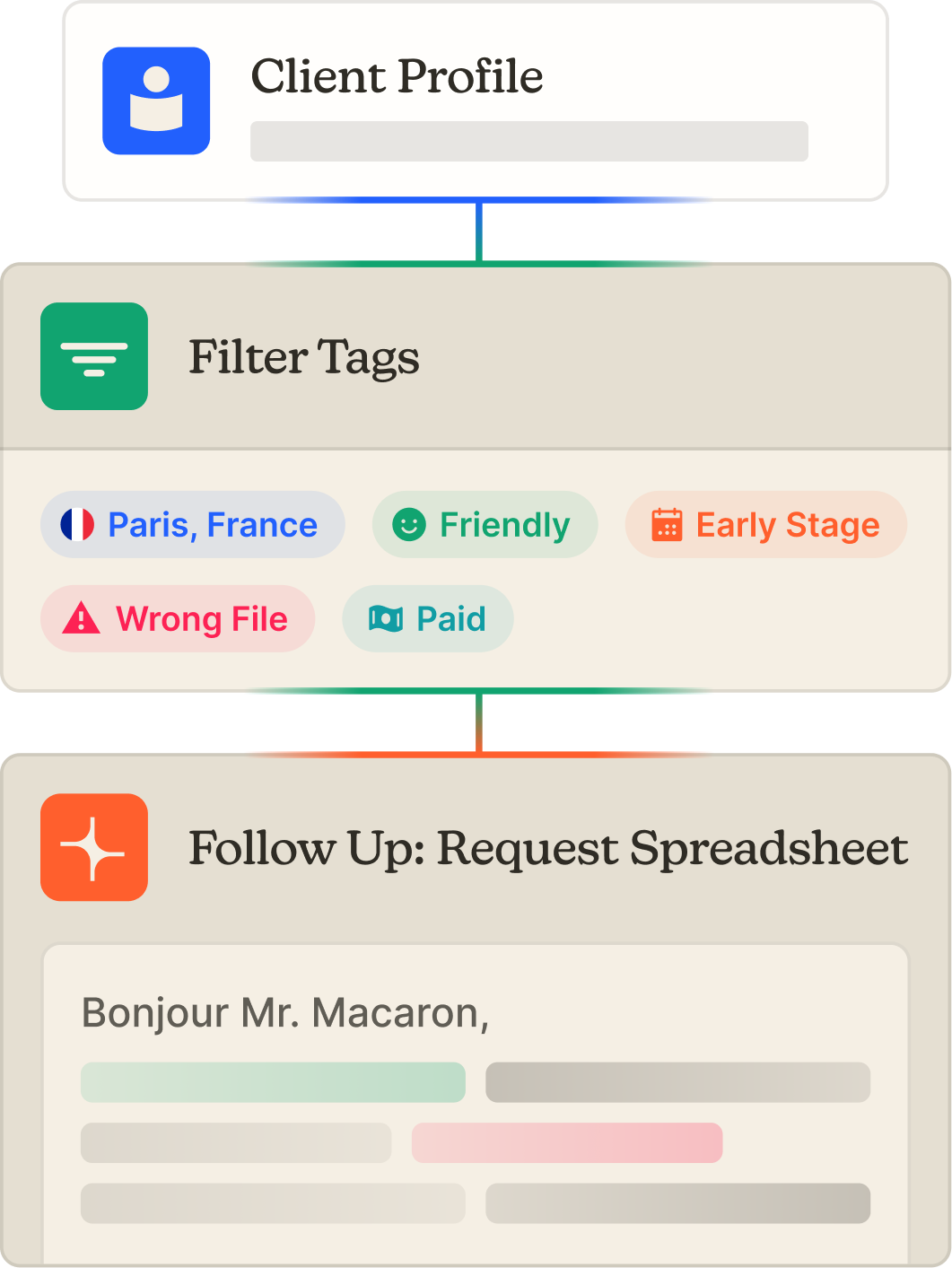
The all-in-one cross-organizational collaboration portal for professional services. Structured, branded, and built on behavioral science, so work finally moves forward without chasing.
Book a demo with the team to see how Alkmist can help you.
"Our Mondays are calmer. That’s new."
Stefan M.
“Deadlines stopped being suggestions and became actual dates.”
Marta G.
“Before Alkmist, everything felt urgent but nothing was clear. Now work is predictable, priorities make sense, and I usually leave the office on time.”
“What surprised me most is how quickly habits changed. Meetings became shorter, tasks clearer, and deadlines stopped slipping.”
"Alkmist quietly replaced our email threads, file chaos, and constant follow-ups. Work now moves forward without everyone checking in all the time.”
“Projects move forward without constant supervision. The team understands what to do next, and I finally focus on decisions instead of reminders.”
Seven Fyxer alternatives compared for audit and due diligence teams, with a scorecard on request tracking, follow-up automation and secure client collaboration.
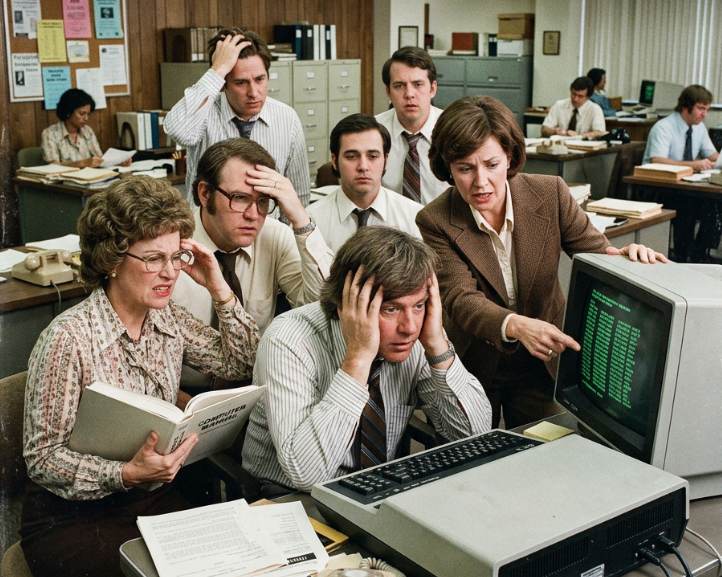
New Ghent University figures put one in three Belgian employees in the burnout danger zone. The usual advice treats symptoms. The cause sits in your inbox.
Inflo, Box and structured audit request workflows compared on gap assessments, PBC tracking, secure collaboration and client follow-up for audit teams.
Six due diligence portals compared for M&A advisors, with a scorecard on request workflows, secure sharing and multi-party coordination, and a guide by deal role.
Six GDPR client portals compared on what matters when someone exercises a data right: finding every file, showing who accessed it, and acting within one month.
Eight client onboarding portal features that help accounting firms cut follow-up, speed up intake and replace email-based document collection, with a scorecard to compare your current setup.
73% of investment banking executives expect due diligence to get more complex in the next 12-24 months. Timelines are already extending. Yet most mid-market advisors still coordinate the process over email and Excel.
The average focus span before self-interruption has dropped to 47 seconds. Microsoft data shows workers receive 117 emails and 153 Teams messages daily. For professionals whose value comes from thinking, this is an existential problem. This article traces the cost and the fix.
Inbox zero was supposed to fix email overload. Two decades later, workers receive 121 emails per day and spend 28% of their workweek managing them. The research says the fix isn't better inbox management. It's moving structured work out of email entirely.
Only 8.5% of construction projects finish on time and on budget. 52% of rework traces to outdated documents. Architects control more of that number than they think, because the information handoff between design and construction is where documents get lost.
86% of firms use AI for at least one operation. But 90% still report burnout and 25% blame fragmented data. For audit teams, the problem is clear: AI layered on unstructured evidence collection just makes the chaos faster, not better.
A 2026 survey of 725 accountants found that 90% report burnout. The second biggest driver isn't client demands or billable pressure. It's fragmented data and disconnected systems. This article traces how coordination overhead fuels the burnout cycle and what firms are doing about it.
McKinsey found that email consumes 28% of the workweek. Gloria Mark's research shows each interruption costs 25 minutes to recover from. Context switching costs the US economy $450 billion per year. This article compiles the research on what email is actually costing you.
A LIMRA study found 40% of employers would switch insurers over poor digital connectivity. CX Pilots reports 82% of clients want self-service but 56% rate insurer tools as inadequate. Brokers are caught in the middle, acting as human middleware between disconnected systems.
Gloria Mark's UC Irvine research shows workers are interrupted every 3 minutes. Recovery takes 25 minutes. Context switching costs the US economy $450 billion per year. This article compiles the neuroscience of why our workdays feel so fragmented and what to do about it.
90% of architecture firms reported significantly delayed projects in the last six months. The delay itself is costly. But the real drain is the coordination overhead that piles up when projects stall, restart, and nobody can see where anything stands.
KPMG found that 83% of M&A deals fail to boost shareholder returns. The root cause isn't strategy or price. It's execution. And execution failures almost always trace back to how teams coordinate across email and spreadsheets.
48% of construction rework traces to bad communication between stakeholders. The Construction Industry Institute found that 52% of rework comes from outdated documents reaching the field. The problem starts at the architect's handoff, where structured collaboration ends and email begins.
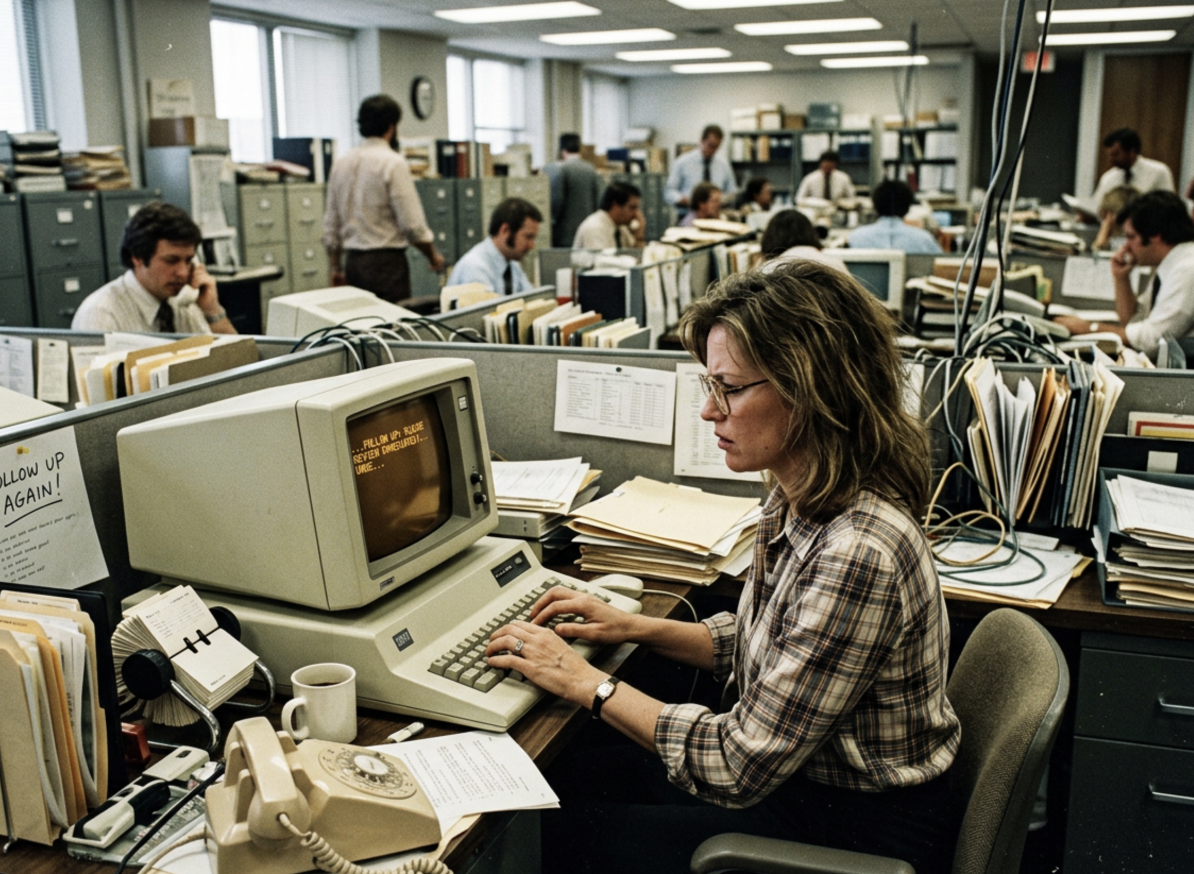
McKinsey found that 20% of the workweek is spent tracking down information and people. For professional services, follow-up emails on outstanding document requests can consume the equivalent of a full-time position. This article breaks down the math and shows what replaces the chase.
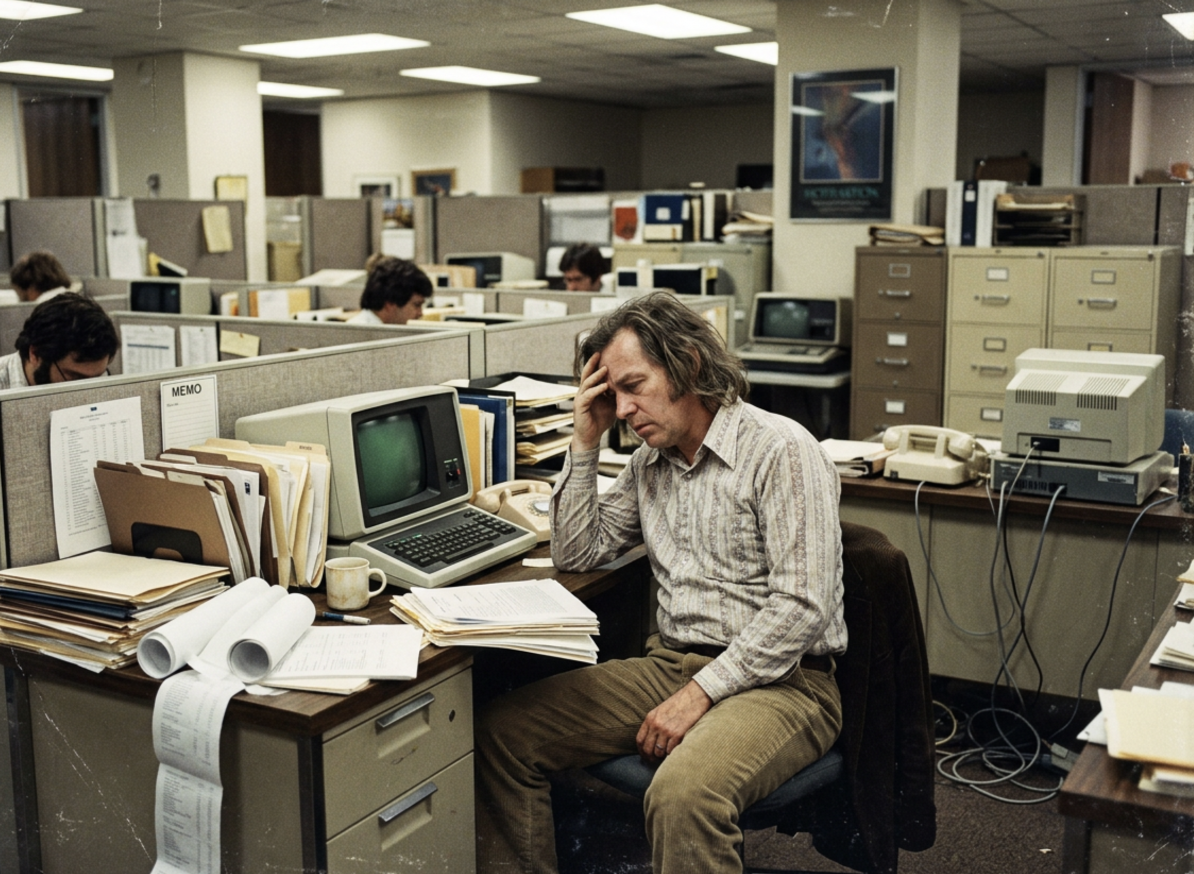
The accounting profession's talent crisis gets all the headlines. But the real drain on your team isn't the shortage of new hires. It's the hours your best people lose every week chasing documents, sorting inboxes, and updating Excel trackers that should have been replaced years ago.
Most audit partners can name the moment a deal goes sideways. It is rarely the technical work. It is week three, when half the request list is still open, the client sent the 2023 file instead of 2024, and the manager is composing a follow-up that should have never been needed.
Ninety-two percent of accountants say they spend too much time on admin. Only half have automated anything. The reason is not laziness. It is that most automation tools target the wrong layer. The busywork lives somewhere else.
Clients don't leave because the work was bad. They leave because the process felt too heavy. Research from Ghent University and Alkmist reveals what clients actually remember about professional engagements, and it's never the final deliverable.
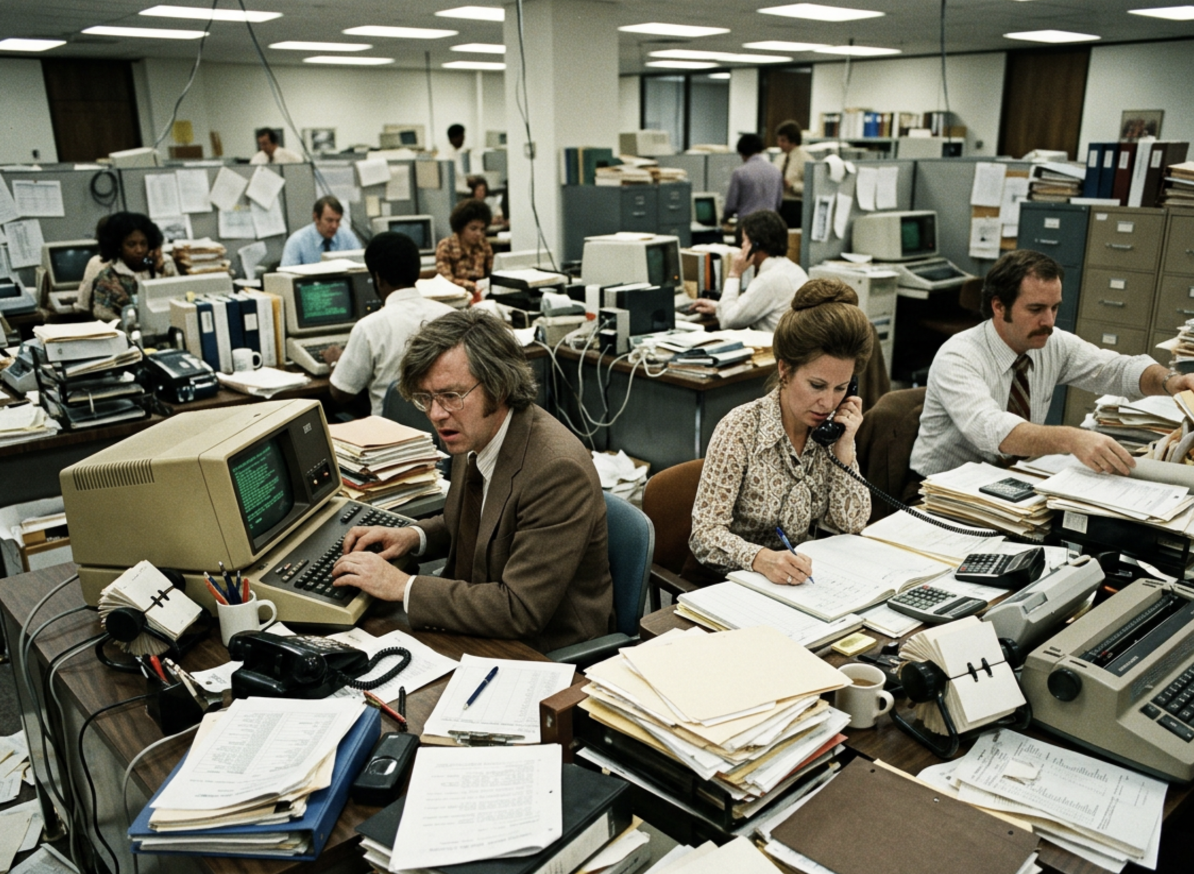
McKinsey says knowledge workers spend 28% of their week managing email. Microsoft puts the daily intake at 117 emails. For senior partners at audit, accounting, M&A, legal, and insurance firms, that is more than a full workday lost to coordination every week. The fix isn't a better inbox.
Almost every accounting firm invested in technology over the past five years. Almost none of them feel like it's working. The problem isn't the tools. It's the gap between them.
Eighty percent of audit and tax professionals worked more than 51 hours a week during the 2024/25 busy season. Firms blame volume. The 2025 data from Financial Cents, Inside Public Accounting, and Microsoft points to a different culprit: the chasing, the threads, the Excel request lists.
We renewed our ISO 27001 certification. Here is what the standard is, why information security matters so much for firms that hold client documents, and how your data stays protected inside Alkmist.
A standard M&A due diligence list runs to 174 documents. Most deal teams still manage them across a VDR, an Excel tracker, and email. DealRoom's benchmark across 200+ middle-market deals shows what that costs, and what changes when the request layer gets restructured.
Inbox zero was never about how many emails sit in your inbox. It was about how much of your brain sits in there. Here is what the psychology research from Merlin Mann, Bluma Zeigarnik, Gloria Mark, and the Microsoft Work Trend Index actually says, and why senior professionals feel more anxious after archiving the last email, not less.
Accounting firms handle some of the most sensitive financial data in existence. And most of them still move it through email attachments. In a year where phishing attacks hit 3.8 million unique sites and the average data breach cost $4.88 million, that's a liability hiding in every inbox.
Two days, one fake pharmacy, and the hardest hire on earth is no longer who you think it is. AI skills just topped the global talent shortage for the first time in history. 52% of insurance leaders say client communication will decide who wins in 2026. This Signal unpacks what those shifts mean, plus the behind-the-scenes of how we showed our new product to the world at Accountex 2026.
Managing client expectations just became the second biggest challenge facing accounting firms, up from fourth place last year. The shift didn't happen because clients got pickier. It happened because every other service in their lives got faster, and yours didn't.
Senior professionals in accounting, audit, M&A, and broking lose nearly a quarter of their week to email. McKinsey puts it at 11 hours. Microsoft puts the interruption count at 275 a day. Here is what the 2025 and 2026 data actually shows, and what to do about it.
Gartner found that manual audit evidence collection costs 3-5x more than structured systems. Most audit firms still run this process through email. This article traces where audit hours actually disappear and why AI adoption in audit lags behind every other department.
73% of M&A deals face major delays from documentation issues. Most advisory firms blame the data room. But the real breakdown happens earlier, in the coordination layer between the request list and the data room. This article explains where deal time actually disappears.
82% of employers would drop their insurance broker over slow service. Meanwhile, the industry is losing 400,000 professionals by year-end. Fewer people, higher expectations. This article explains why the workflow has to change and where brokerages are losing the most time.
KPMG, EY, PwC, and Deloitte have poured billions into AI across audit, tax, and advisory. The tooling is live and the efficiency gains are real. But one layer of the engagement has not been touched yet, and it is the layer clients experience the most.
87% of professional services firms are adding AI agents. Only 12% trust their own data, and 89% still verify every AI output by hand. New Kantata and HBR research shows why automation on top of unstructured external collaboration creates more work, not less, and what firms need to fix first.
PwC is cutting US entry-level hiring by a third. EY just deployed AI agents to 130,000 auditors and kept headcount flat. Two Big 4 firms, two opposite bets on what AI agents mean for people. Here's what the MIT research actually says about which approach works.
One big move from PwC, one quiet move from us. 73% of clients now expect real-time visibility into project status, while 89% of services leaders still manually verify AI outputs before sharing them. This Signal unpacks PwC's launch of PwC One, what mid-market firms should take from it, and a stat that might make you rethink how your team works with AI.
BIM solved internal model coordination. But the moment architects need something from a client, consultant, or contractor, everything reverts to email. Research confirms that poor stakeholder communication is the single biggest barrier to effective BIM adoption.
Nearly half of all accounting firms say their technology is increasing manual work, not reducing it. The problem isn't the software. It's the unstructured pipe underneath it. This article breaks down where the real bottleneck lives and what high-growth firms are doing differently.
55% of firms say client document collection is their #1 workflow challenge. New 2026 research from Thomson Reuters, McKinsey, and Wolters Kluwer shows why the gap between firms and clients keeps widening, why AI alone won't fix it, and what high-growth firms do differently.
73% of audit firms call themselves digitally transformed. Only 19% are happy with their own client-facing tools. The gap isn't about technology. It's about the behavioral patterns that keep firms locked into what they've always done. Based on the State of the Audit 2025 research by Ghent University and Alkmist.
The U.S. lost 4% of its licensed architects in one year. Burnout is climbing, turnover won't slow down, and the biggest time drain isn't design work. It's the coordination nobody sees.
Insurance brokers score lowest on cybersecurity in the entire insurance supply chain, and 59% of breaches start through a third party. Most of that risk traces back to one place: sensitive client documents moving through email. New research from SecurityScorecard and IBM shows why the inbox is the weakest link, and what needs to replace it.
Global M&A activity reached a record $4.9 trillion in 2025, yet up to 90% of deals fail to deliver value. While common explanations include overpaying or cultural mismatch, the real issue often starts earlier: broken due diligence processes. Disorganized information, scattered emails, and manual tracking create delays, errors, and lost trust between buyers and sellers.
The accounting profession's talent crisis gets all the headlines. But the real drain on your team isn't the shortage of new hires. It's the hours your best people lose every week chasing documents, sorting inboxes, and updating Excel trackers that should have been replaced years ago.
90% of legal spending still flows through hourly billing. AI is compressing the work those hours were based on, and clients are already asking why the price hasn't changed. The firms building for outcome-based pricing today will charge more when the dust settles. Everyone else will be explaining why they charge the same for less.
87% of firms are rushing to add AI agents. Only 12% trust their own data. This Signal breaks down why automation without structure just makes the mess bigger and what winning firms do differently. Plus: we've been building something quietly, and newsletter readers get first dips.
Professional services firms know their tools are inefficient. Most partners can point to the exact friction. Yet nothing changes. This article explores the behavioral forces that keep firms loyal to systems that no longer serve them, and what it actually takes to break the pattern.
Coordination is silently eating into professional services. Research shows up to 35% of expert time goes to follow-up emails and status updates rather than real work and clients notice. This piece explores what the psychology of memory reveals about client experience, and why the solution has nothing to do with AI.
Firms often emphasize client collaboration as a core value. But new data suggests a significant disconnect between stated priorities and the service experience clients actually receive. This article explores the root causes and offers a practical path forward.
Rolling out audit technology works best with the right champions, realistic planning, clear expectations, and intentional contributors; making adoption faster, smoother, and more effective
From the failed €76M i-Police project to why 68% of audit clients still have to re-explain themselves year after year, this Signal connects the dots. Enjoy reading 🤓
Firms pour AI into anomaly detection, generative assistants, and dashboards.
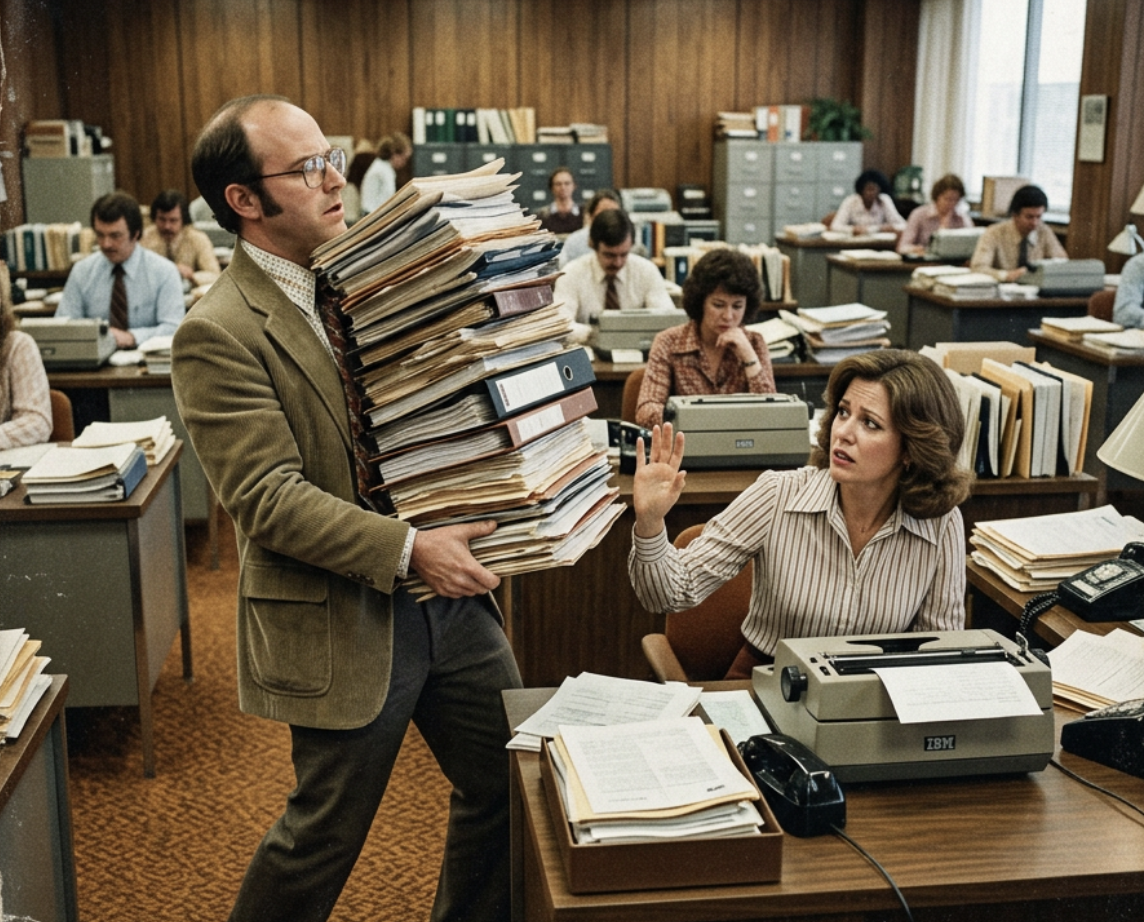
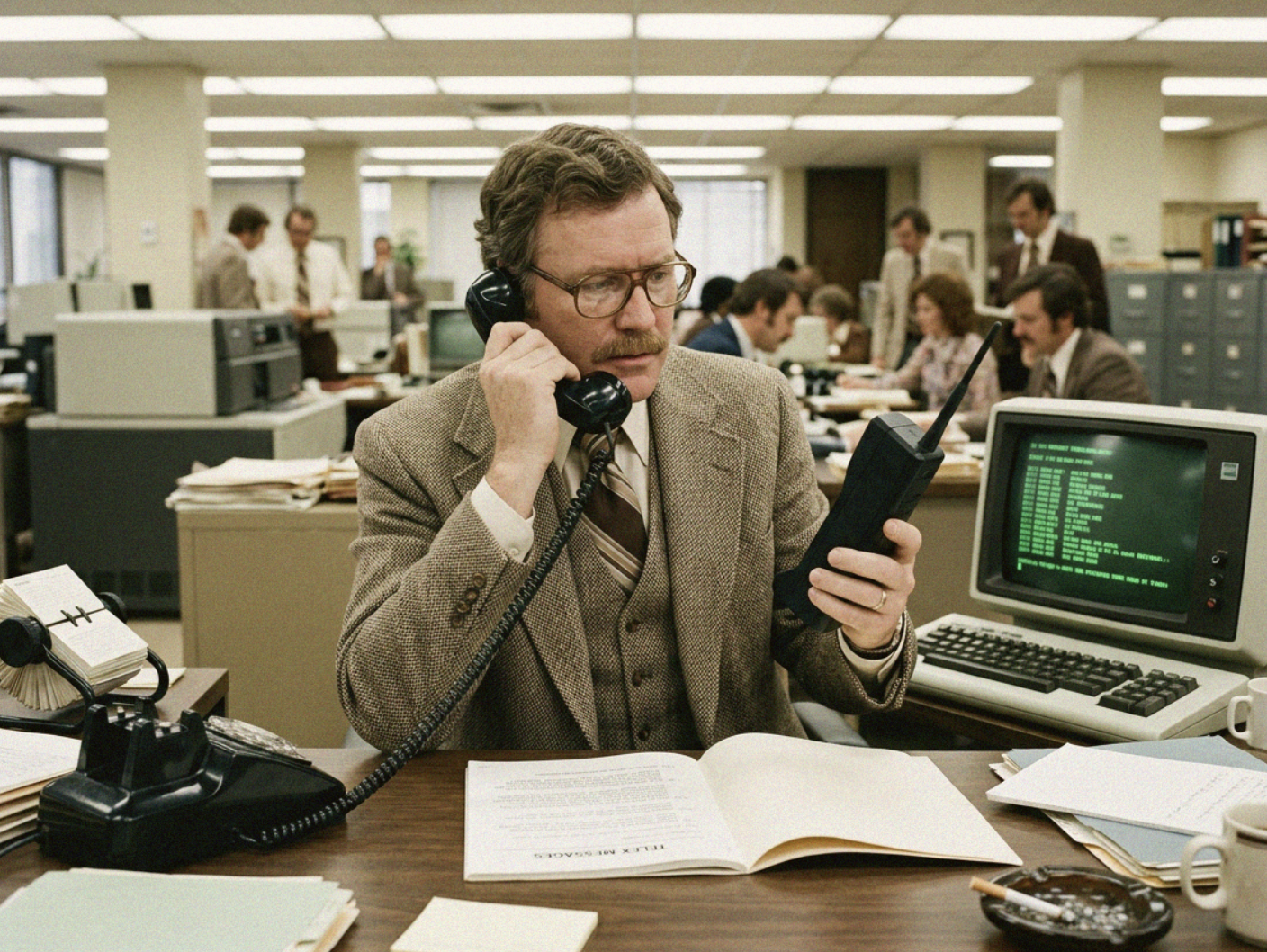
But enterprise audit directors still spend hours chasing missing documentation.
Same choice, different emphasis, yet decisions flipped based on what had a number attached. This bias isn’t just about hotels. It affects every decision we make, including how we choose audit software. Now, think about how this plays out in audit software selection.
First-time acquirers fail 77% of the time. Serial acquirers improve to 54%. The gap isn't strategy or price. It's repeatable coordination infrastructure. This article breaks down what serial acquirers build that first-timers skip.






.svg)



.png)




















.png)
.png)
.png)
.png)




.png)










.png)








.png)





.jpg)
.jpg)
.png)
%20(1).jpg)





.png)