The fragmentation trap
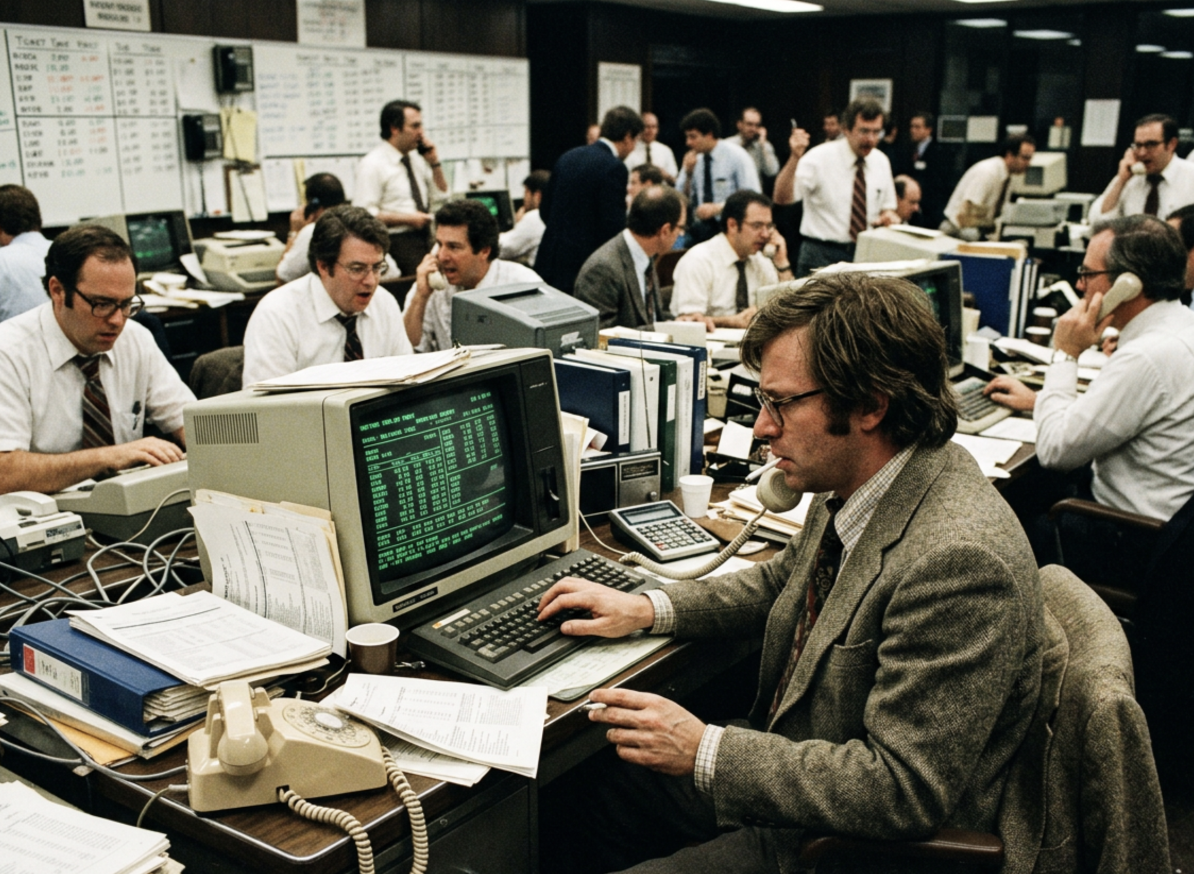
A CPA Practice Advisor survey found that 40% of accounting firms use between six and ten different tools. Practice management in one system. Document storage in another. Client communication over email. Task tracking in a spreadsheet. File sharing through a separate portal. Time tracking somewhere else.
Each tool works fine on its own. The problem is in the seams. When a client uploads a document to the portal, does it automatically update the task tracker? When a deadline changes in the project management system, does the client see it? When someone sends a follow-up over email, is that visible to the rest of the team?
Usually, no. So people fill the gaps manually. They copy information from one system to another. They send emails to confirm things that should be confirmed automatically. They maintain personal spreadsheets to track what the "real" systems can't show them.
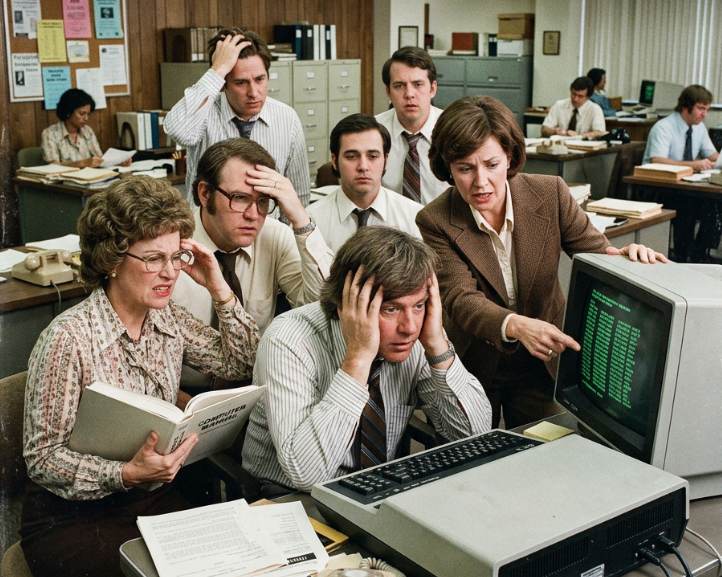
The CPA.com and BILL survey put a number on this: 43% of firms said technology is actually increasing their manual work, not reducing it. That's almost half the profession saying the tools designed to save time are creating more of it.
Where the gap hurts most
The pain concentrates in one specific area: the space between the firm and the client.
Internally, firms have decent systems. Most have practice management. Most have document storage. Most have accounting software that handles the technical work well enough.
But the moment work crosses the boundary between firm and client, everything breaks down. Document requests go out over email. Clients respond whenever and however they want. Files arrive in random formats, attached to random threads. Status updates require someone to manually assemble information from three different places.
The 2025 Wolters Kluwer Future Ready Accountant report, which surveyed 2,768 tax and accounting professionals across 14 countries, found that managing client expectations and service demands jumped from the fourth to the second biggest challenge facing firms in 2026. Nearly 75% of firms say this will significantly impact them in the next 12 months.
The real cost isn't money. It's capacity.
When your technology stack has gaps, people become the integration layer. The associate who checks the portal, then checks email, then updates the spreadsheet. The manager who spends Monday morning assembling a status report from four different sources. The partner who calls three people to find out whether a client submitted their documents.
This human glue holds the operation together, but it consumes an enormous amount of professional capacity. The Intuit QuickBooks 2025 Accountant Technology Survey of 700 accounting professionals found that 80% still report difficulty hiring skilled professionals. With that kind of talent scarcity, every hour an experienced accountant spends bridging gaps between disconnected tools is an hour the firm can't bill, can't use for advisory, and can't get back.
Why adding another tool makes it worse
When firms feel the pain of fragmentation, the instinct is to add something new. A client portal here. A task management tool there. An AI assistant on top. Each addition promises to solve a specific problem. And each addition creates new seams that need new human glue to hold together.
This is why 97% of firms report inefficiency despite spending more on technology every year. The issue isn't about firms refusing to invest. It's about tools that weren't built for how accounting actually works: structured, multi-party, deadline-driven collaboration between firms and their clients.
As one industry executive noted during the CPA.com/BILL survey webcast, not every tool marketed to accountants was built by people who understand the profession. The result is a graveyard of half-adopted solutions that each solved a demo problem but not the real one.
What efficiency actually looks like
The firms that report meaningful gains from technology tend to share one characteristic: they reduced the number of systems involved in client collaboration and replaced the gaps with a single structured environment.
Instead of emailing a document request list, the client sees a clear dashboard of what they need to provide. Instead of an associate manually tracking which items arrived, the system shows real-time status. Instead of the manager writing a follow-up email, the platform sends an automatic reminder. Instead of the partner asking for a status update, they open a view that shows every engagement's progress.
This isn't about having the fanciest technology. It's about eliminating the seams where manual work hides.
The same CPA.com/BILL survey found that 71% of firms believe seamless technology interactions are crucial for client retention. They know what matters. The gap is between knowing and having the infrastructure to deliver it.
The question to ask before buying anything else
Before evaluating another tool, ask this: where does work fall through the cracks between our existing systems?
If the answer is "between our firm and our clients," that's not a problem you solve by adding a seventh or eighth tool to the stack. That's a problem you solve by replacing the gap itself with a structured collaboration layer where document requests, deadlines, statuses, and follow-ups live in one place, visible to both sides.
The 97% stat isn't a technology problem. It's an architecture problem. And the fix starts with how work moves between your firm and the people you serve.