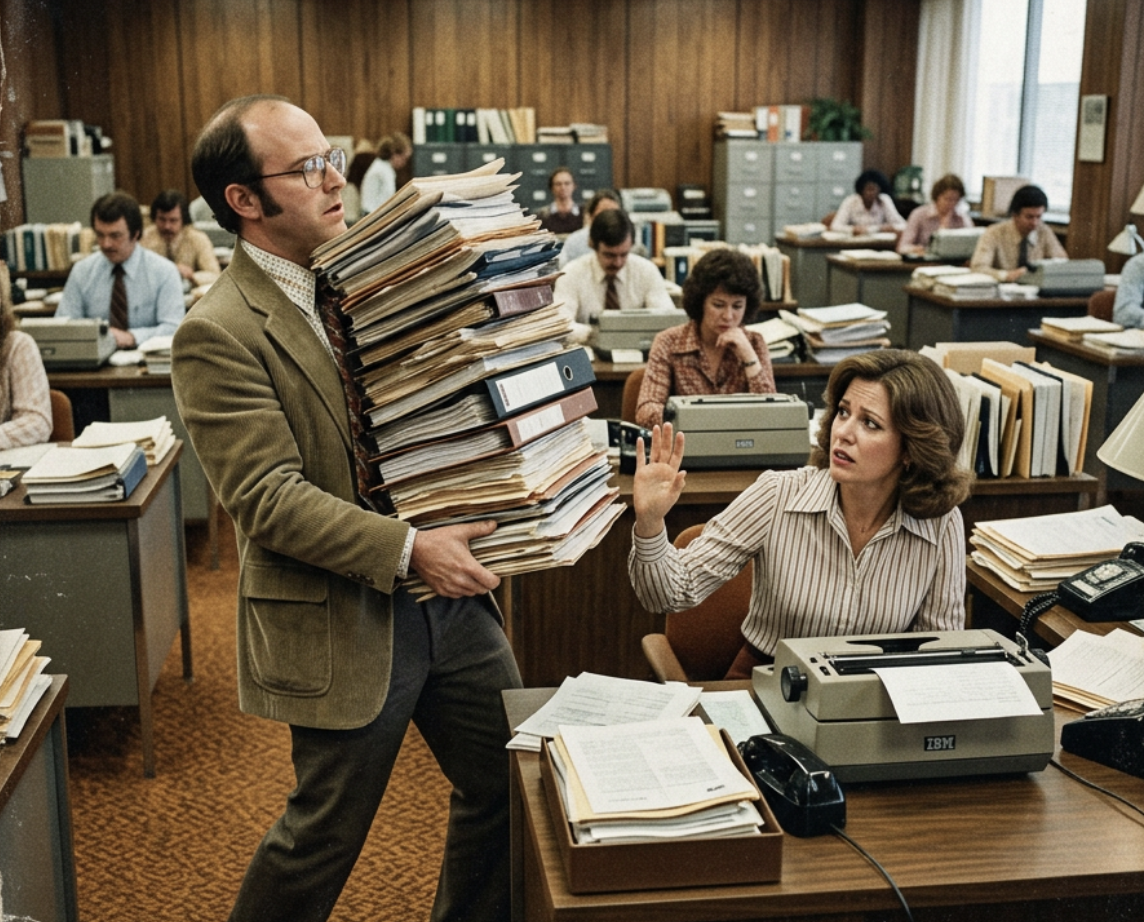
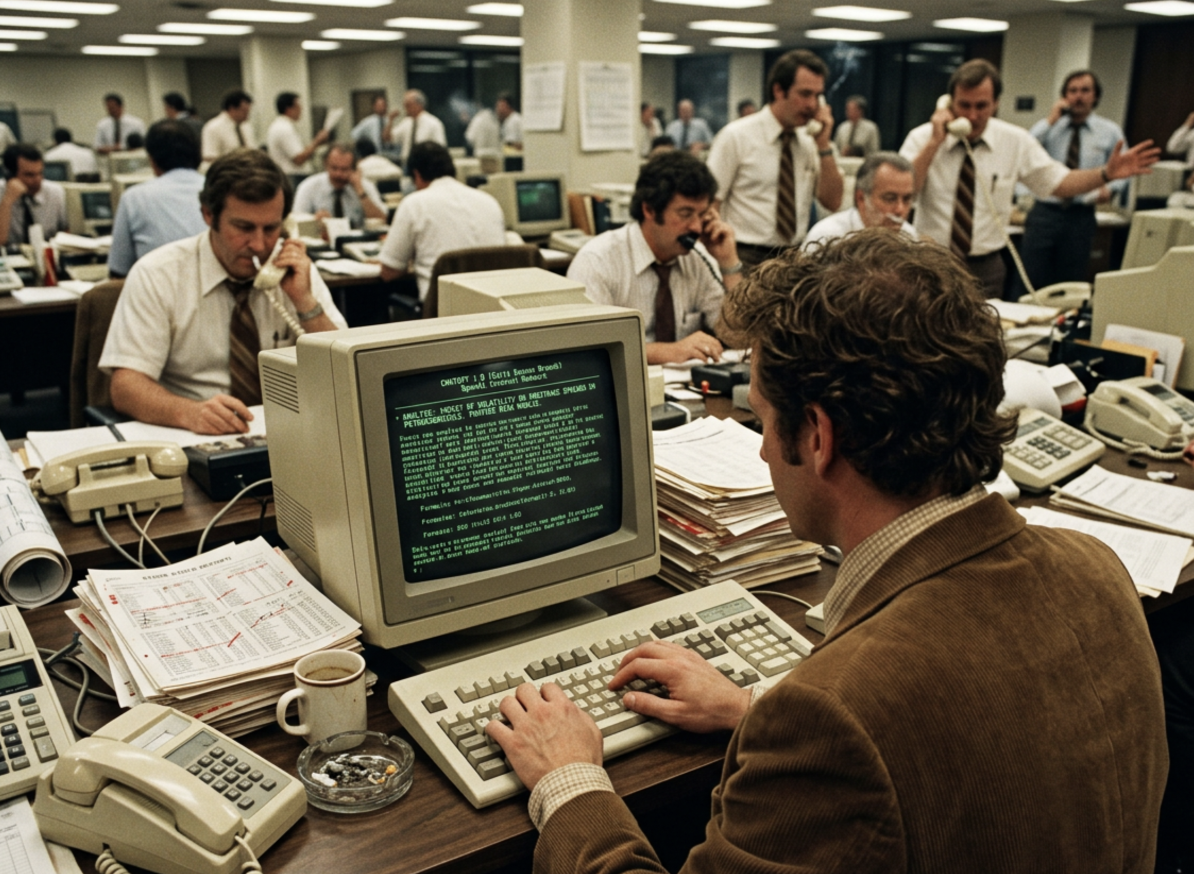
McKinsey Global Institute's benchmark research, still cited across the 2026 productivity reports, found that knowledge workers spend 28% of their workweek reading, writing, and managing email. That works out to roughly 11.2 hours, more than two full working days. For executives and client-facing professionals, the top 25% of email users, the number climbs to 8.8 hours inside core working hours alone.
The Microsoft Work Trend Index 2025, based on telemetry from millions of Microsoft 365 users, puts it even more starkly. The average information worker receives 117 emails a day. They are interrupted every two minutes by a meeting, email, or notification. That is 275 pings in a single workday. Nearly half of workers (48%) and more than half of leaders (52%) describe their work as chaotic and fragmented.
And here is the part that should sting for any firm partner reading this. Only about 12 to 38 percent of the emails landing in a professional's inbox actually require action, depending on which study you read. The rest is what the Microsoft report calls displacement work. It fills the calendar, but it does not move the file forward.
Why this hits professional services harder
Knowledge workers in general lose two hours a day to email. Accountants, auditors, M&A advisors, lawyers, and insurance brokers lose more. Gartner data referenced in the 2025 Mailbird industry survey shows that sectors built around complex project management, regulated workflows, and cross-functional client coordination generate 40 to 60 percent more email traffic than operational roles.
Why? Because professional services run on documents that have to move between parties. Engagement letters. Trial balances. KYC files. Q of E reports. Insurance schedules. Architectural plans. Every one of these documents is a request, a follow-up, a clarification, an approval, and a sign-off, and right now most of that lives in email threads.
Financial Cents surveyed more than 800 accounting firm owners for their 2025 State of Accounting Workflow report. The headline finding: getting documents from clients is now the single biggest workflow issue for firms, surpassing internal admin work for the first time. Chasing clients, managing email threads, and manually tracking deadlines were the most frequently cited pain points.
DealRoom, an M&A platform that has benchmarked 200+ middle-market deals, reports that traditional due diligence still runs across three disconnected tools: a data room for storage, an Excel tracker for requests, and email for everything else. Version control breaks. Communications get fragmented. Critical asks fall through the cracks.
It is the same story across the board. Auditors lose time during peak season chasing PBC lists. Accountants lose time chasing year-end documents. M&A teams lose time chasing DD responses. Brokers lose time chasing renewal data. The expertise is there. The capacity is not.
What the busywork actually costs
Some rough math on a senior professional billing at 250 to 400 EUR per hour. If 28% of the workweek goes to email, and conservatively half of that email is coordination work that no client would pay for, that is roughly 5.5 hours per week of unbillable, unrecoverable time per senior. Across a team of ten seniors, that is 55 hours a week. Across a 48-week year, that is 2,640 hours. At an average billable rate of 300 EUR, the math gets uncomfortable fast.
And that is just direct cost. The Microsoft and McKinsey research both point to a second tax: context switching. Research by Dr. Gloria Mark at UC Irvine, widely cited in the 2026 productivity reports, found it takes an average of 23 minutes and 15 seconds to fully refocus after an interruption. If a senior breaks focus 15 times a day to check email, that is several more hours of degraded output on top of the time spent in the inbox.
This is the part that does not show up in any dashboard. The audit memo that took 90 minutes instead of 30 because it was written in nine-minute slivers between Outlook pings. The deal note rewritten three times because the first version missed a piece of context buried in a thread no one re-read.
Email was never built for this
Email is a chronological list of unstructured text. It has no concept of priority, responsibility, deadlines, dependencies, or business impact. It cannot tell you which of the 117 messages that hit your inbox today actually requires you to do something. It cannot route a client's reply to the right team member. It cannot extract the document attached, file it against the engagement, and update the status of the request.
So senior professionals do all of that work in their heads. Or worse, they push it down to junior staff who become full-time coordination managers instead of trainee professionals.
The expertise has never been the bottleneck in this industry. The coordination layer has.
What changes when the inbox stops running the firm
This is where Alkmist comes in. We built a coordination layer for professional services firms that replaces email-driven chaos with structured taskflows. Document requests, approvals, clarifications, and sign-offs live in one shared environment. Every interaction is traceable, accountable, and visible.
Last month we launched the Inbox Agent. It reads incoming client emails, recognises which ones are tied to active requests in your engagement, extracts the relevant document or response, files it against the right task, and updates the status. The thread does not disappear. It just stops being the place where the work lives.
For a senior, this means three things. The inbox stops being a to-do list disguised as a communication channel. Document chasing stops being a human job. Status updates stop requiring you to type any update on this for the fourth time in two weeks.
Firms running structured collaboration through Alkmist have already moved 8,000+ users across 62 countries off email-driven coordination. The pattern we keep seeing: seniors get their afternoons back. Juniors stop being inbox triage staff. Clients see exactly what is owed by when, without being asked.
If your firm is still running deal rooms, audit fieldwork, or client onboarding through reply-all threads, the McKinsey number applies to you. Eleven hours a week per senior. The question is what those hours are worth, and whether you want them back.
See how the Inbox Agent works →
Sources: McKinsey Global Institute (The Social Economy); Microsoft Work Trend Index 2025 (Breaking Down the Infinite Workday); Financial Cents 2025 State of Accounting Workflow & Automation Report; Mailbird 2025 Email Overload Survey; Dr. Gloria Mark, UC Irvine, on attention recovery; DealRoom M&A benchmarks 2025; Adobe Email Usage Research.