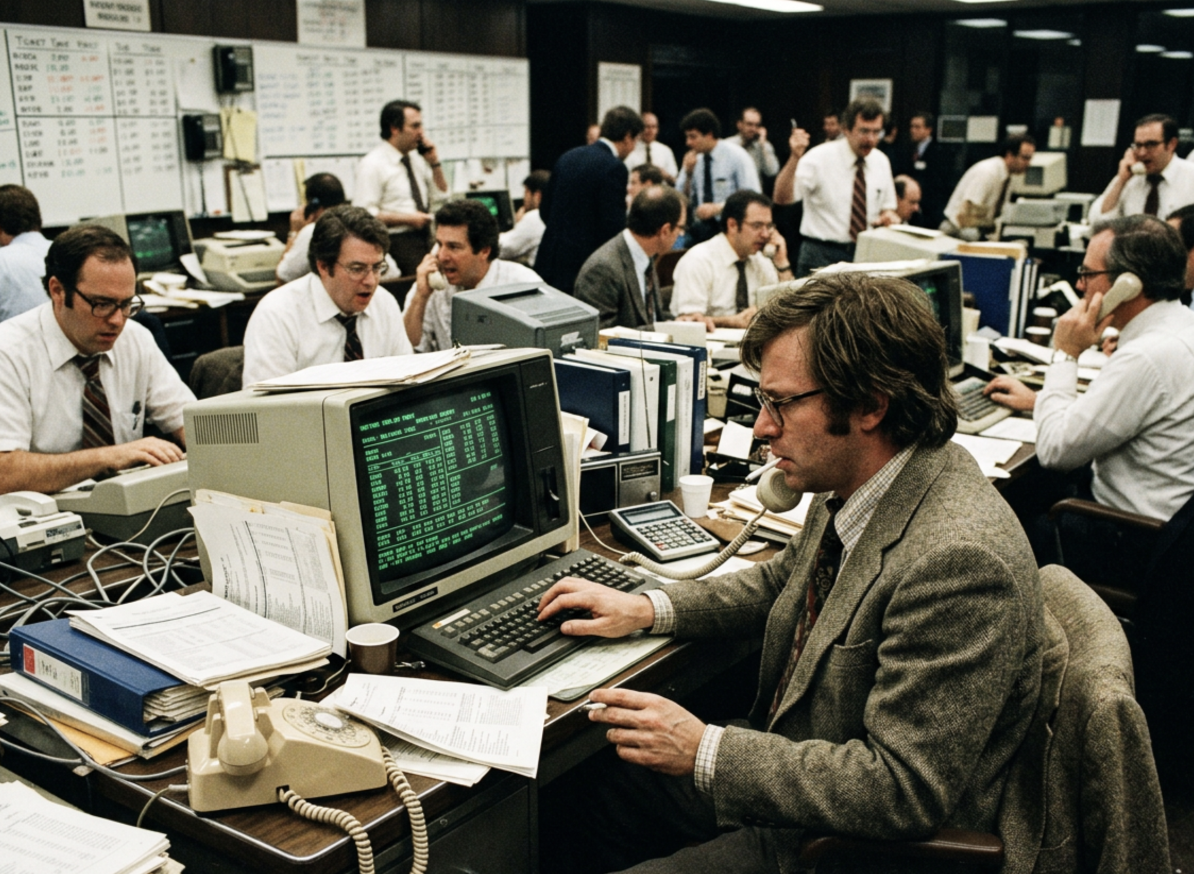
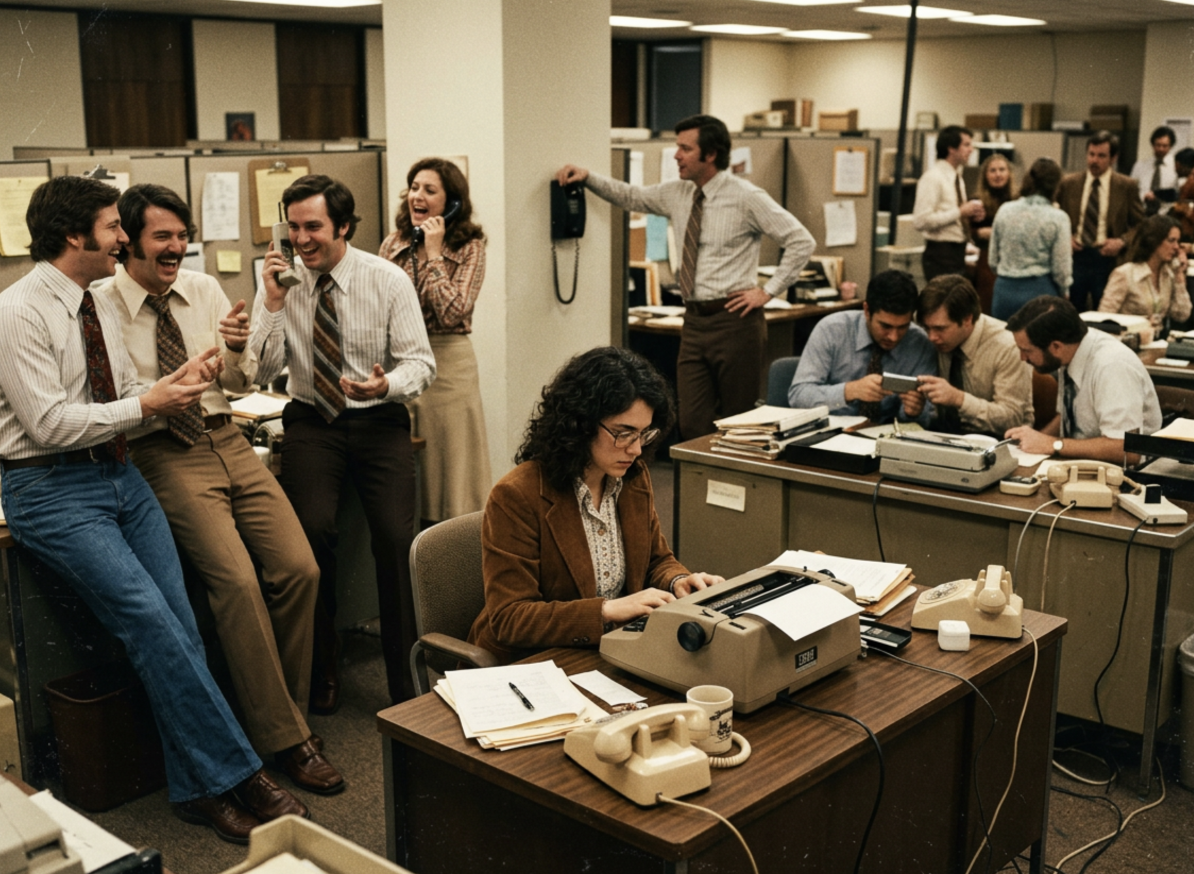
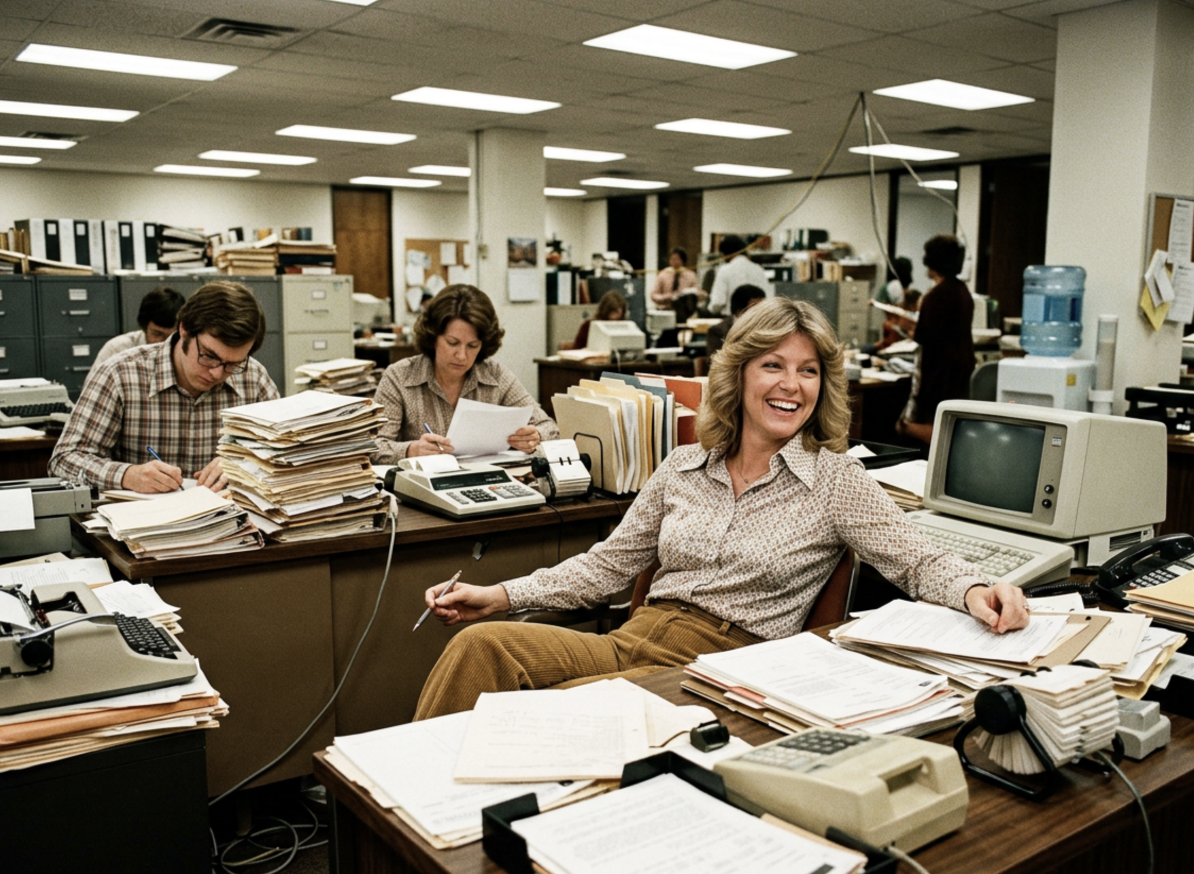
More deals, same bottleneck
The Deloitte 2026 M&A Trends Survey of 1,500 corporate and PE leaders found that 90% of PE respondents and 80% of corporate respondents expect to increase their deal volume in 2026.
PwC's 2026 Global M&A outlook noted that global M&A values totaled around $3.5 trillion in 2025. Deal timelines are accelerating while due diligence is becoming deeper and more data-driven. More scrutiny per deal. Faster expected timelines. Larger document volumes.
More deals are coming. The infrastructure to support them hasn't changed.
The real breakdown happens before the data room
Most advisory firms assume the problem is the data room. So they upgrade to a fancier virtual data room with better permissions, better search, better analytics. And the data room does matter for the buyer-side review process.
But the real breakdown happens earlier. Before documents reach the data room, someone has to collect them.
A sell-side M&A advisor managing a mid-market transaction typically sends the target company a due diligence request list with 200 to 400 line items. Employment contracts, IP assignments, customer agreements, tax returns, insurance policies, board resolutions, environmental reports. Each item needs to come from a different person inside the target company. The CFO has some. Legal has others. HR has a few. Operations has the rest.
The Email-and-Excel coordination trap
The advisor sends the request list via email (or worse, as an Excel attachment). The target company's CFO becomes the informal project manager: forwarding requests to colleagues, chasing responses, collecting files, and uploading them to the data room in batches.
Meanwhile, the buyer's team is asking follow-up questions, the advisor is trying to track which items are complete, and everyone is working from different versions of the same checklist.
This is where deals stall. Not in the data room. In the coordination layer between the request list and the data room.
AI can't fix what isn't structured
Bain & Company data shows that nearly 80% of companies using generative AI in M&A processes report reduced manual effort. But AI can only process what's structured. When the document collection process runs through email threads and spreadsheets, there's nothing for AI to work with.
What faster advisory firms do differently
The firms that close faster share a common trait: they replaced the email-and-Excel coordination with a structured collaboration environment. Every document request has an owner inside the target company, a deadline, and visible status. The advisor sees what's missing without sending a follow-up. The target company's team sees exactly what they owe, to whom, and by when.
The data room holds the documents. The coordination layer gets them there.