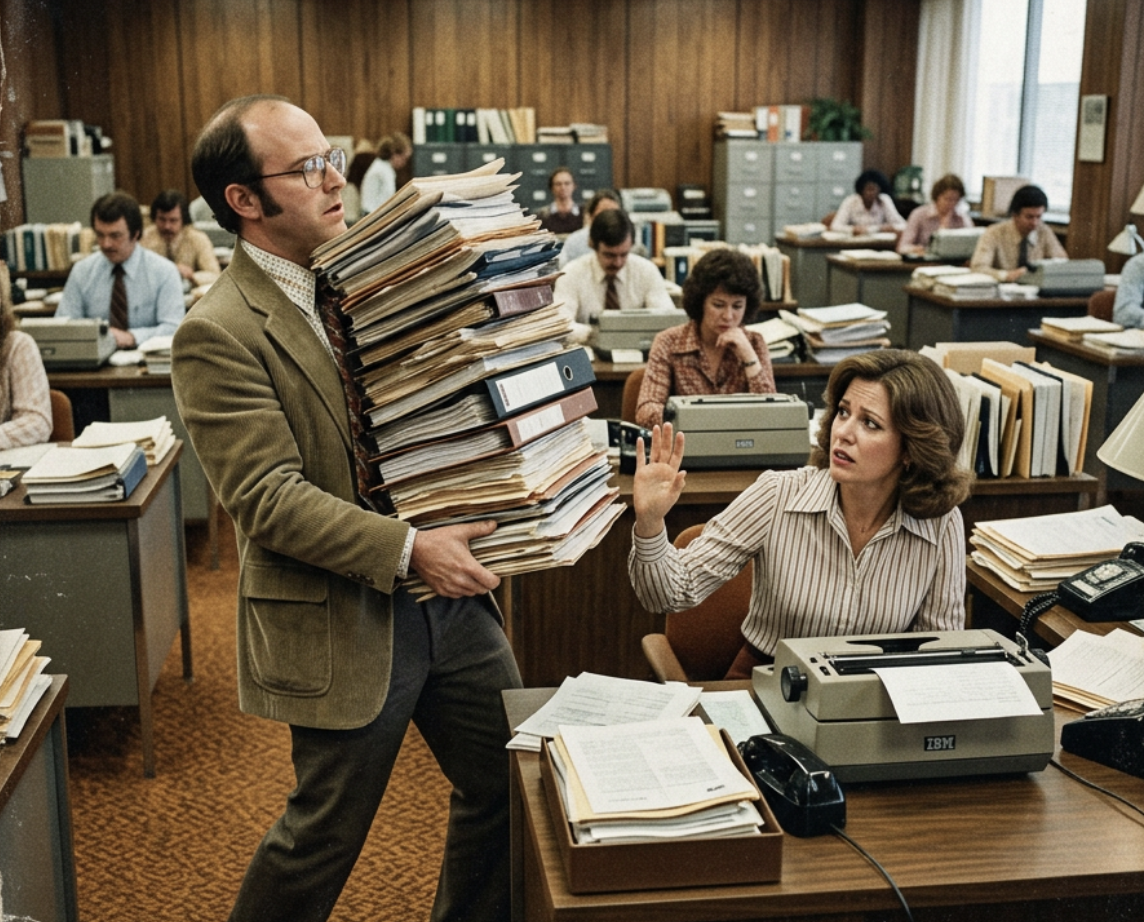
The Hidden Time Cost of Chasing
McKinsey research shows that knowledge workers spend 28% of their workweek managing email, roughly 11.2 hours. But that number includes all email: newsletters, internal updates, meeting invitations. The specific category that eats professional services time is follow-ups on outstanding requests.
McKinsey also found that nearly 20% of the workweek (about 9 hours) is spent searching for internal information and tracking down colleagues. For client-facing professionals, replace "colleagues" with "clients" and the number is similar or higher.
Consider a mid-size accounting firm managing 200 clients during tax season. Each client needs to submit 5-15 documents. That's 1,000 to 3,000 document requests. If even 30% require a follow-up, that's 300 to 900 follow-up emails. At 5 minutes per follow-up (writing, checking status, updating the tracker), that's 25 to 75 hours of pure follow-up work. Per season. Just for one person.
Follow-Ups Generate More Follow-Ups
Zendesk's CX Trends 2025 data shows that most organizations fail to respond to emails within four hours. Mailbird's data analysis found that 35% of emails are never opened at all. When a client doesn't respond to your document request, the most common reason isn't that they're ignoring you. It's that your email is buried in their inbox alongside 120 other messages.
Your follow-up creates another email in their inbox, which gets buried alongside 120 new messages the next day. So you follow up again. Each follow-up generates at least one response, which generates a response from you, which generates a filing action, which generates a tracker update. One unanswered document request can produce 6-8 emails before a single file is delivered.
The Compounding Effect Across Clients
Multiply that pattern across every client, every engagement, every season. For audit firms with 50+ concurrent engagements, the follow-up overhead alone can consume the equivalent of a full-time position. That position doesn't audit anything. It doesn't advise anyone. It chases paper.
Why the Follow-Up Exists
The follow-up email exists because the original request disappeared into the client's inbox. The client has no structured view of what's been asked, what's pending, and what's overdue. The professional has no structured view of what's been submitted versus what's missing. Both parties are working from memory and email search.
When requests live in a structured environment where the client can see exactly what's pending and the professional can see exactly what's missing, the follow-up email becomes unnecessary. The visibility replaces the chase.
See how Pidgy eliminates the follow-up cycle by making document requests visible to both sides.