The Complexity Is Rising. The Tools Aren't.
The 2026 SRS Acquiom/Mergermarket survey paints a clear picture. Technology and cybersecurity due diligence now dominates: 47% of respondents say tech diligence was their main priority over the past 12 months, and 51% call it the single most burdensome element of the entire review. On top of that, 84% anticipate increased scrutiny of cybersecurity diligence in the coming year.
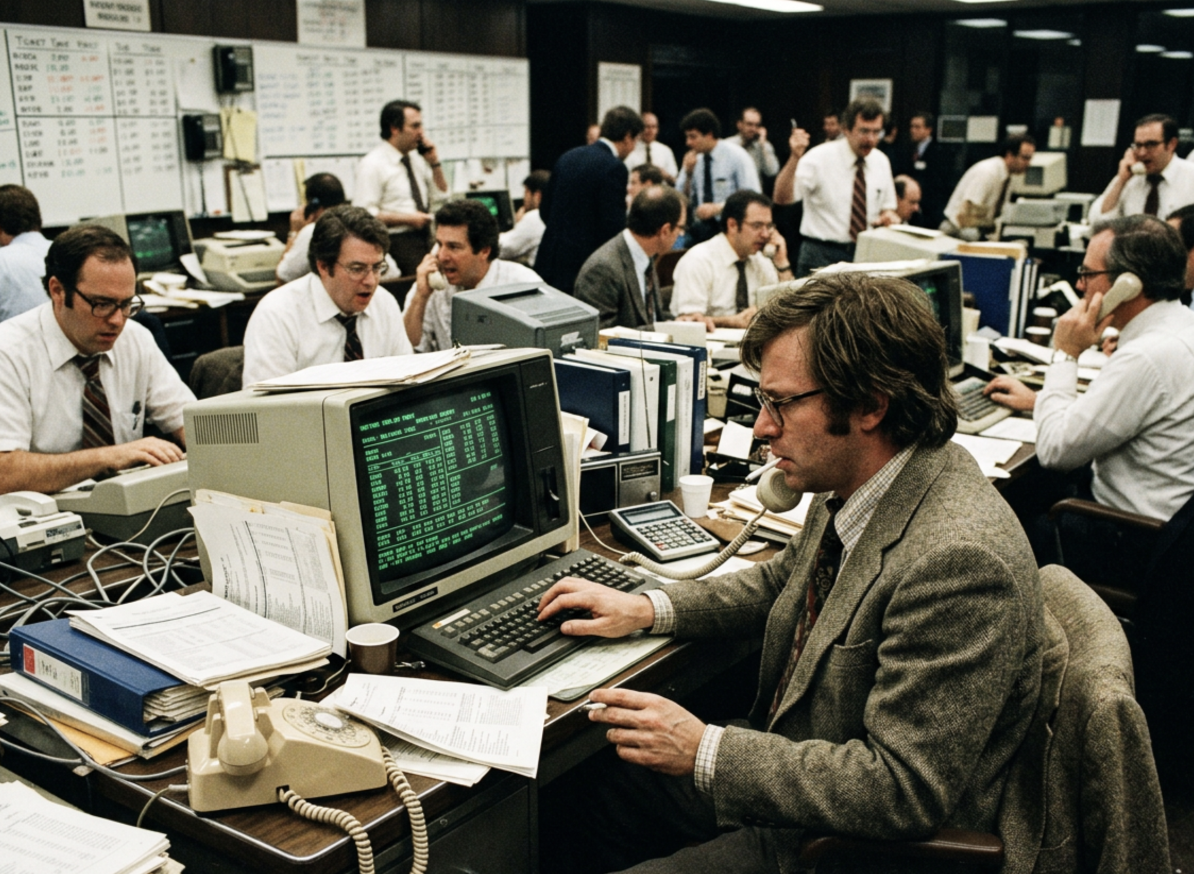
More scrutiny means more document requests. More document requests mean more people inside the target company getting pulled into collection. More people means more coordination. And that coordination still runs through email threads and Excel trackers.
The Mid-Market Feels This Most
The Deloitte 2026 M&A Trends Survey found that one-third of total US deal value in 2025 was driven by just 20 very large transactions. The opportunity for mid-market acquirers remains wide open, but mid-market deals don't have the same infrastructure support that mega-deals get.
Large-cap transactions have dedicated integration teams, purpose-built PMOs, and full-time deal coordinators. A mid-market sell-side advisor managing a $30M transaction has an analyst, a shared inbox, and an Excel file tracking 300 document requests across five workstreams.
What Actually Breaks During Diligence
A sell-side advisor sends the target company a due diligence request list. Typically 200 to 400 line items across financial, legal, tax, HR, IT, environmental, and commercial workstreams. Each item needs to come from a different person inside the target company.
The CFO gets the financial items. Legal counsel handles IP and contracts. HR pulls employment agreements. IT documents system architecture and cybersecurity protocols. Operations provides lease agreements and environmental reports.
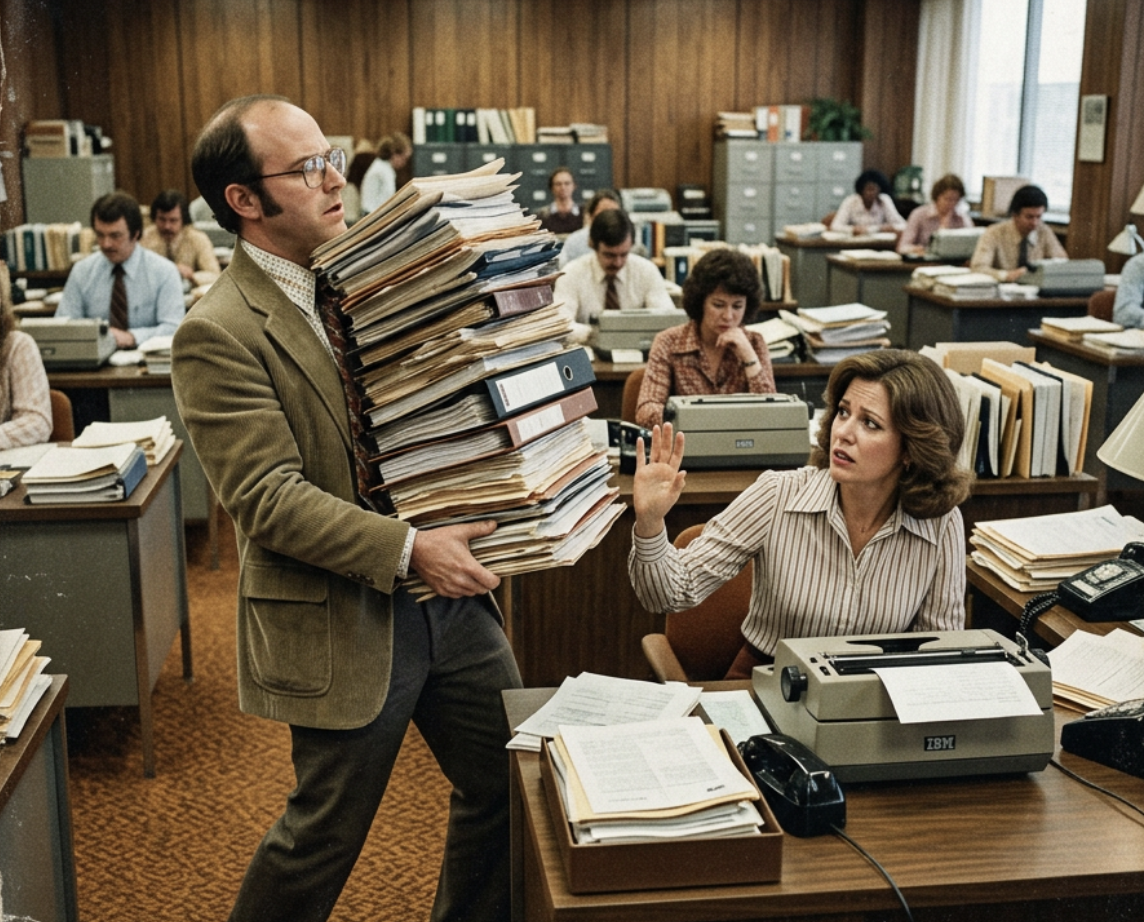
Nobody at the target company has coordinating this as their actual job. The CFO becomes the informal project manager: forwarding requests, chasing responses, uploading to the data room in batches. Meanwhile, the buyer's team sends follow-up questions that add new items to the list. Everyone works from a different version of the tracker.
The Cost of Coordination Failure
BCG data shows that 40% of deals don't close on time. Of those delayed deals, nearly two-thirds needed three extra months or more. Every extra month costs money in advisory fees, management distraction, and competitive risk.
The IMAA (Institute for Mergers, Acquisitions and Alliances) confirms what practitioners already know: throughout the integration process, the acquisition team needs to drive collaboration and sharing with integration heads on a collaborative platform, instead of email and static spreadsheets.
What Structured Coordination Changes
Advisory firms that replace email-and-Excel coordination with a structured collaboration environment report a measurable shift. Every document request gets an owner inside the target company, a deadline, and visible completion status. The advisor sees what's missing without sending a follow-up. The target company's team sees exactly what they owe, to whom, and by when.
The data room holds the final documents. The coordination layer gets them there, on time and complete.