The Attention Crisis in Numbers
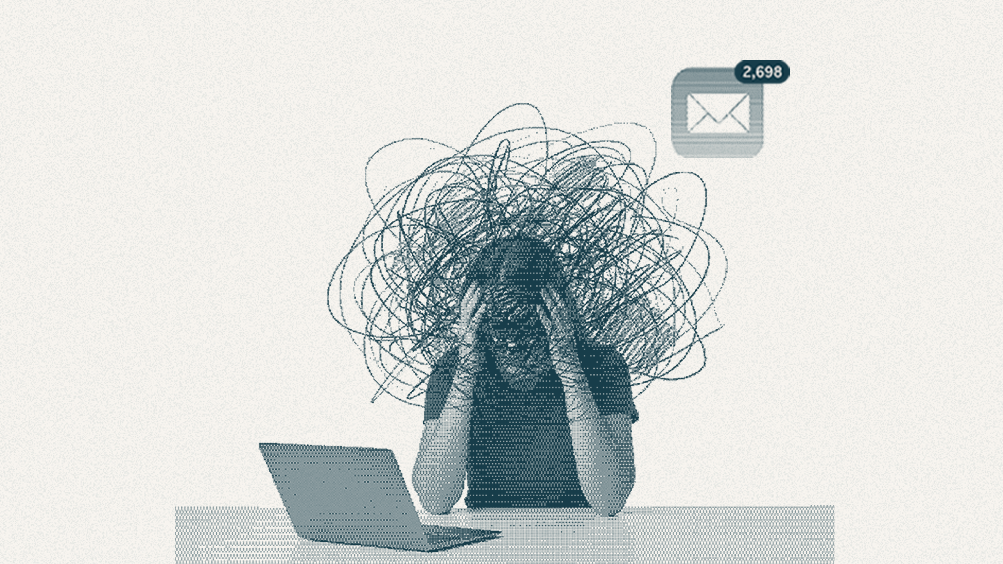
Microsoft's 2025 "Breaking Down the Infinite Workday" report found that the average worker now receives 117 emails and 153 Teams messages per day. Half of all meetings land during what workers describe as their peak focus hours.
Gloria Mark's 2023 research at UC Irvine measured what happened to focus spans over time. In 2004, the average focus span before self-interruption was 2.5 minutes. By 2023, it had dropped to 47 seconds. We don't need external interruptions anymore. We've trained ourselves to break our own concentration.
Sophie Leroy's attention residue research explains why this matters: part of your mind stays stuck on the previous task after every switch. Even a quick glance at an email leaves a cognitive residue that degrades the quality of whatever you work on next.
Why This Hits Professional Services Hardest
A partner reviewing an audit finding needs sustained concentration. An M&A advisor analyzing a target's financial model needs uninterrupted blocks. An architect resolving a complex structural coordination issue needs focus. An insurance broker evaluating a complex commercial risk needs space to think.
These tasks can't be done in 47-second increments between email notifications. Yet that's exactly how most professionals work. Gallup's 2025 State of the Global Workplace data shows 67% of all workers report experiencing burnout symptoms, up from 52% in 2021.
The Professionals Who Protect Their Focus
Cal Newport's research shows that the top 10% of performers maintain focus for an average of 52 minutes before taking breaks. Sustained focus periods can double both productivity and quality of output.
The pattern among high performers is consistent: they batch communication into dedicated windows, protect morning focus blocks, and move task-related coordination out of their inbox. They don't fight email. They design their workflow so that email handles messages, and a separate structured environment handles tasks, requests, and follow-ups.
The Design Problem Behind the Focus Problem
Most professionals don't lack discipline. They lack structure. When document requests, client follow-ups, and project coordination all live in the same inbox as meeting invitations and newsletters, everything competes for attention at the same level. There's no way to prioritize because the system doesn't distinguish between urgent and irrelevant.
Moving structured work into a dedicated environment, where requests have owners, deadlines, and visible status, doesn't just improve coordination. It gives professionals their focus hours back.