The expectation gap
Clients don't know what's happening inside your firm. And most firms have no easy way to show them.
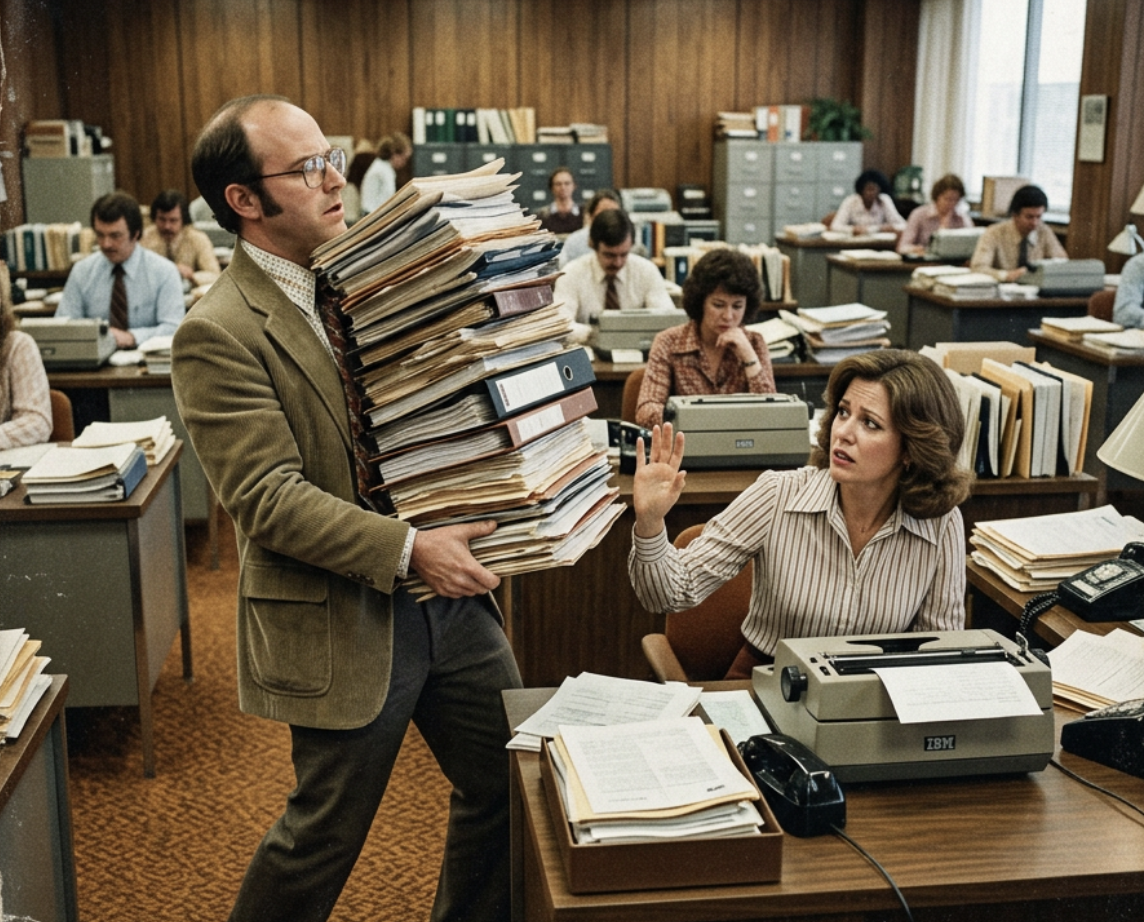
Think about it from the client's perspective. They sent you a stack of documents three weeks ago. They haven't heard anything since. They don't know if the documents were reviewed, if anything is missing, or if the work is on track. So they do the only thing they can: they email and ask.
That email lands in an inbox that already has 80 unread messages. The associate sees it, checks the internal system, drafts a quick update, and sends it back. Fifteen minutes gone. Multiply that by 30 clients asking the same basic question in the same week, and you've lost a full day of professional capacity on status updates that a dashboard could handle automatically.
The Rightworks 2025 Accounting Firm Technology Survey of 494 firms confirmed what clients are now expecting: faster turnaround, transparent reporting, and a smoother client experience. Firms that meet these expectations see stronger retention and higher revenue per engagement. Firms that don't, lose clients to those that do.
Why "good work" is no longer enough
Here's an uncomfortable truth that CX Pilots, a consultancy specializing in client experience for accounting firms, documented after 16 years of research: 83% of accounting clients cannot distinguish the technical quality of one firm's work from another's.
Read that again. Most clients can't tell if your tax returns are technically better than your competitor's. They assume the work is competent. What they can tell is whether the experience of working with you felt organized, responsive, and clear, or whether it felt like chasing a black hole.
Client loyalty in accounting doesn't live where most partners think it does. It lives in the coordination layer: how easy it is to submit documents, how quickly questions get answered, how visible progress is, and how few follow-up emails it takes to feel informed.
The transparency problem
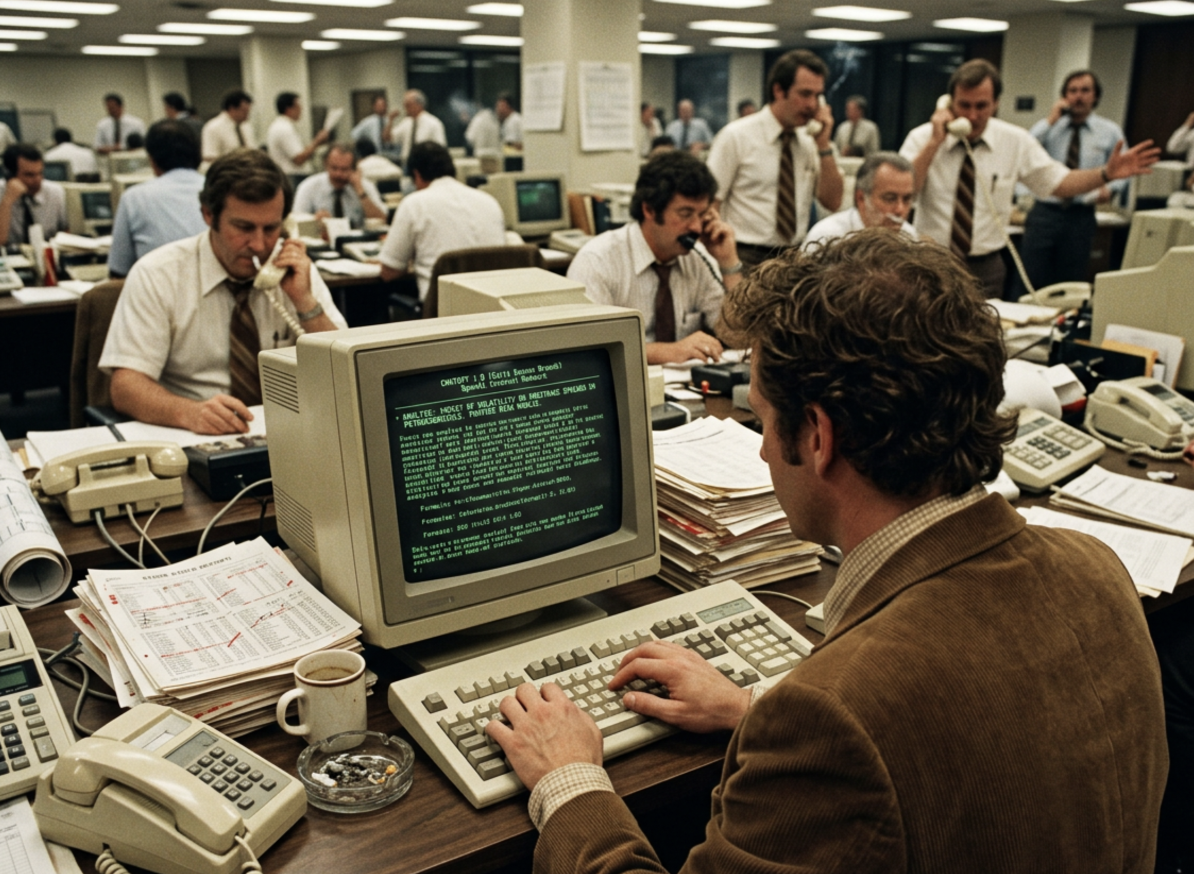
Most accounting firms simply don't have the infrastructure to give clients visibility. The work happens inside internal systems the client can't see. Progress is tracked in tools the client doesn't have access to. Status lives in the heads of the people doing the work.
So the firm's only option for keeping clients informed is manual communication: emails, calls, and meetings. Every single update requires someone to stop doing accounting, assemble the relevant information, and write a message. There's no feed. No dashboard. No shared view where both sides see the same reality.
This creates a bizarre dynamic. The client pays the firm to do accounting, but a meaningful portion of the firm's time goes toward telling the client about the accounting. And a meaningful portion of the client's time goes toward asking about it.
Both sides lose. The firm burns capacity on status reporting. The client feels uninformed despite paying premium fees.
What clients actually want (it's simpler than you think)
Clients don't want weekly check-in calls. They don't want long email updates. They don't want a partner to personally hold their hand through every engagement.
They want to log in somewhere and see: here are the five things we're waiting on from you. Here are the three things your firm is working on right now. Here's when you can expect the next deliverable. That's it.
A clear, structured view of what's happening. Who owes what to whom. What's on track and what's not. No surprises.
The firms that have built this kind of visibility into their client relationships report something consistent: client emails drop dramatically. Not because the clients care less, but because they don't need to ask. The information is already there.
And when client emails drop, so does the internal time spent responding to them. The associate who used to spend an hour each day writing status updates now spends that hour on billable work. The partner who used to field three "where are we on this?" calls a week now fields zero. That's not a marginal improvement. That's structural capacity recovery.
The competitive shift is already happening
The 2025 Wolters Kluwer Future Ready Accountant report makes one thing clear: firms see this coming. Nearly 75% expect client expectations to significantly impact them. But seeing it and acting on it are different things.
Accounting Today's 2026 technology trends coverage highlighted what leading firms are doing: moving toward consolidated platforms that enable real-time data flow between firm and client, replacing fragmented email-based communication with structured shared environments. The firms pulling ahead aren't the ones with the most tools. They're the ones with the fewest gaps between their work and their clients' view of it.
The window to act is still open, but it's narrowing. Every year that your competitors invest in client visibility and you don't is a year where their clients feel more informed while yours feel more ignored. The technical work might be identical. The experience won't be. And the experience is where loyalty lives.
The question worth asking your team this week
Ask your managers: how many client emails this week were just people asking for updates? How many hours did you spend this month telling clients things they could have seen for themselves?
If the numbers are uncomfortable, the problem isn't your clients. It's the infrastructure between you and them. A shared view. A structured environment. A place where both sides see reality in real time, without anyone writing another email to make it visible.
That's what clients are asking for. Not better accounting. Better visibility into the accounting they're already paying for.