The 2026 Survey That Quantifies the Problem
The 2026 Accountant Technology Survey by Intuit surveyed 725 US accounting and bookkeeping professionals and measured what's actually happening inside firms. The burnout numbers are striking, but the breakdown matters more than the headline.
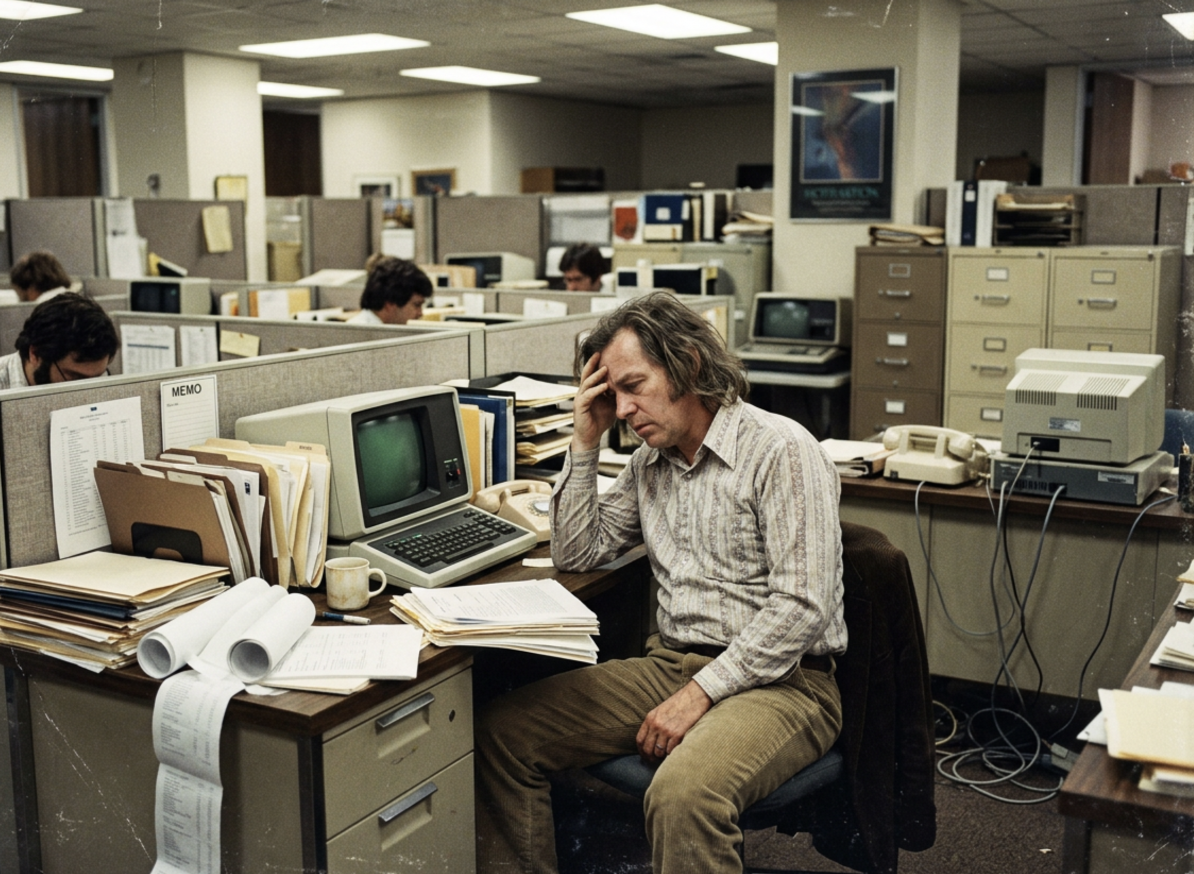
37% point to volume of work and billable pressure. That's expected during busy season. But 25% cite fragmented data as a significant driver of burnout. That means disconnected systems, scattered client files, and the manual work of moving information between tools that don't talk to each other is nearly as damaging as the workload itself.
The Hiring Problem Isn't Solved Either
The same survey found that 77% of firms report at least one hiring struggle in the past 12 months. The hardest roles to fill: professionals with 1+ years of experience (46%) and those with 5+ years (42%). Even entry level, 1 in 3 firms say finding quality candidates has been difficult.
Wolters Kluwer's 2026 analysis of firm challenges adds the size dimension: 88% of large firms expect talent challenges to hit hard, compared to 49% of micro firms. And they note something specific for small firms: burnout risk is real, and operational strain shows up in missed opportunities for advisory work.
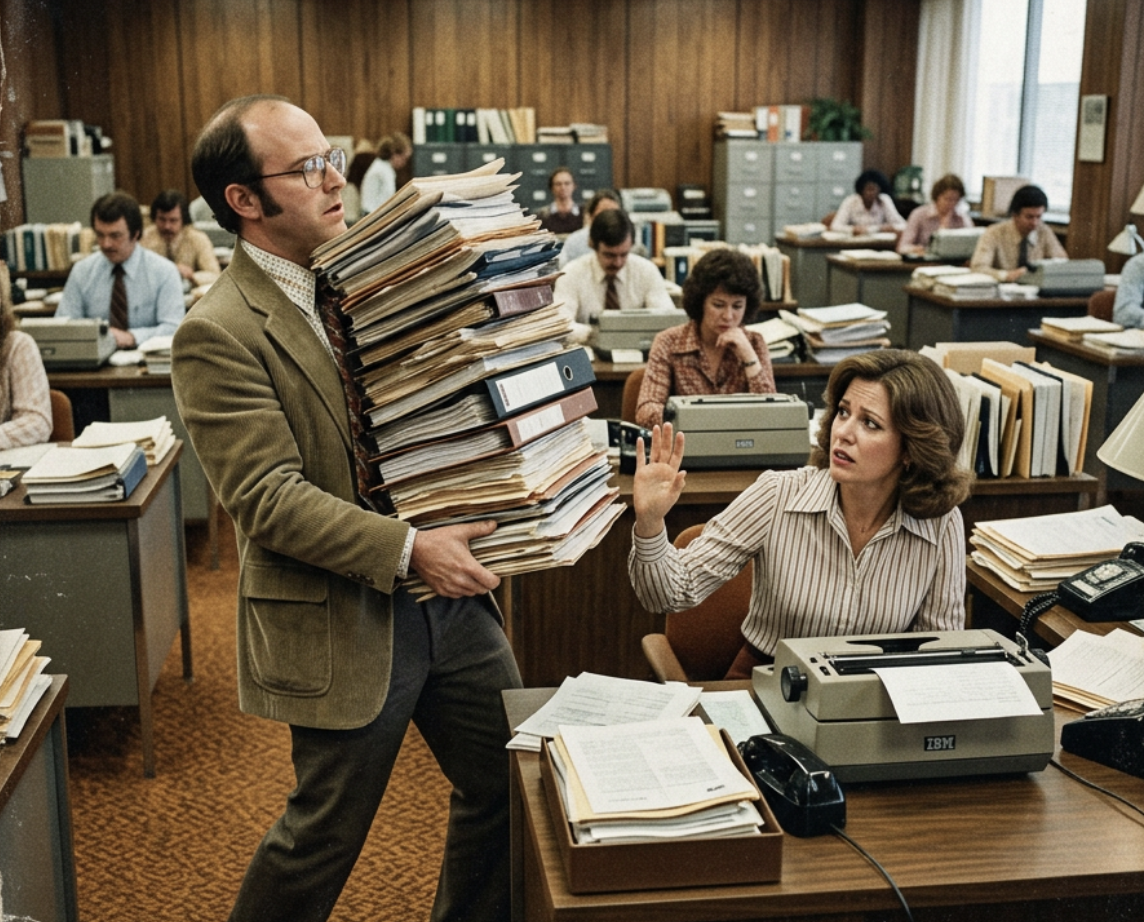
When your team spends hours chasing client documents through email, they're not doing advisory work. They're doing coordination. And coordination in a fragmented environment is the work that nobody hired them to do.
The FloQast Data Makes It Personal
A FloQast survey found that 99% of accounting and finance professionals reported experiencing burnout, with 24% at medium-to-high levels. During the 2024-2025 busy season, 48% of public accountants reported working 51-60 hours per week. 19% worked 61-70 hours. 12% logged 71+ hours.
88% of public accountants said they want better work-life balance. 87% want to work fewer hours. The profession is bleeding people because the daily work feels like moving paper between systems, not doing the accounting work they trained for.
Where Firms Can Cut the Friction
The 2026 Intuit survey found that 86% of firms already use AI for at least one operation. The top use? Client communication (50%). Firms are already trying to automate the coordination overhead. But AI layered on top of fragmented tools just makes the fragmentation faster.
The firms reducing burnout share one pattern: they consolidated the client collaboration layer. Instead of chasing documents through email, forwarding attachments between tools, and updating trackers manually, they gave clients a structured environment where every document request has a clear owner, a deadline, and visible status. The coordination overhead dropped. The team got hours back. And the burnout numbers started moving.
See how accounting firms are reducing coordination overhead with structured client collaboration.