The Three-Year Window
Insurance Business Magazine reported that Kader Sakkaria, global head of data technology at Gallagher, framed the next three years as a structural pivot for the industry. His assessment: legacy systems, siloed data, and reactive operations are no longer sustainable. Competition is no longer confined to traditional peers. Insurtech platforms, digitally native brokers, and AI platforms are reshaping the distribution system.
The LIMRA study quantified the client side: 40% of employers would switch insurance providers if their carrier couldn't connect digitally with their benefits platform. That pressure flows directly through to the broker. When a carrier can't connect digitally, the broker becomes the human middleware, manually transferring data between systems that should be talking to each other.
The CX Gap Is Measurable
CX Pilots' 2026 State of Digital CX in Insurance measured the gap between what clients expect and what they get. 78% of insurance consumers expect instant policy quotes, but only 32% of insurers deliver them. 82% want self-service issue resolution, but 56% rate their insurer's digital tools as inadequate.
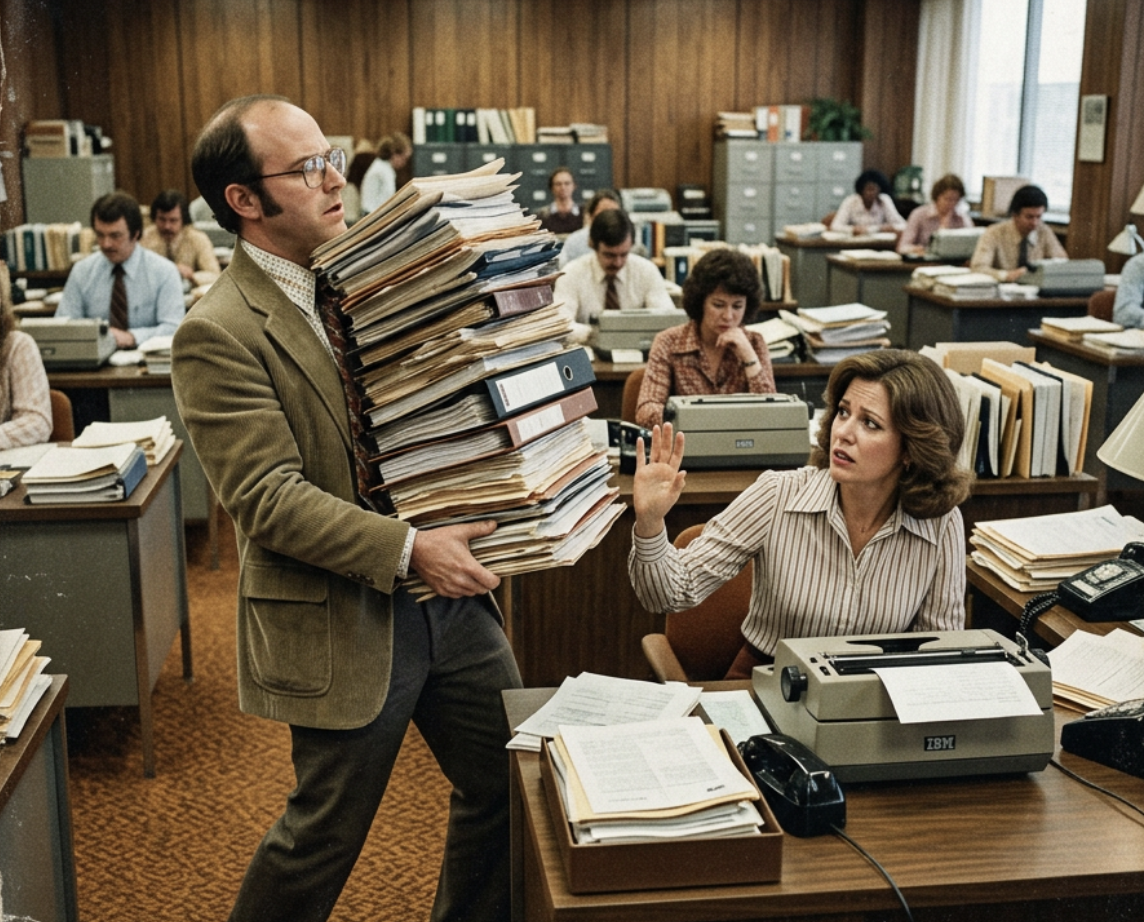
For brokers, these gaps translate into phone calls, emails, and manual status updates that consume hours every week. When a client can't check the status of their renewal online, they call the broker. When a carrier portal doesn't show submission status, the broker calls the underwriter. The broker becomes the coordination layer between systems that don't share information.
Where the Daily Friction Lives
The 2026 insurance digital transformation data shows that U.S. insurance technology spending reached $173 billion in 2026, with digital spending exceeding $14 billion. The money is being spent. The question is where it's going.
Most of that investment targets underwriting engines, claims automation, and pricing models. Very little targets the broker-client coordination layer: the daily back-and-forth of document collection, policy review, and renewal management that consumes the broker's actual working hours.
A commercial lines broker renewing a mid-size account still sends the document checklist via email. The client responds in fragments over two weeks. The broker chases missing items manually. Nobody has a shared view of what's complete.
What Changes When Brokers Fix the Coordination Layer
Brokerages that replace email-based document exchange with a structured collaboration environment report fewer follow-up calls, faster client response times, and complete submissions going to carriers on the first attempt. The broker stops being human middleware and starts being an advisor again.
See how insurance brokers are replacing fragmented client coordination with structured taskflows.