Client expectations are climbing. Firm operations aren't keeping up.
The Wolters Kluwer Future Ready Accountant report surveyed 2,768 professionals across 14 countries. Managing client expectations jumped from the number four challenge to number two this year. Clients want faster turnaround, proactive advice, and personalized service.
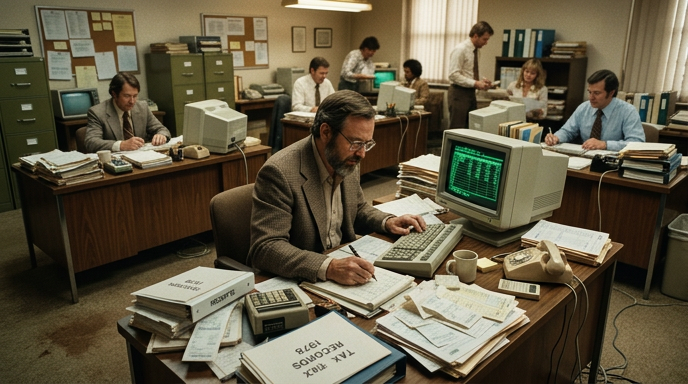
Yet most firms still juggle 15 or more disconnected tools. The same report found that firms with highly integrated technology see nearly 80% revenue growth, compared to under 50% for those without. The gap between integrated and fragmented firms is widening every quarter.
So what's keeping firms fragmented?
The real bottleneck: Email as an operating system
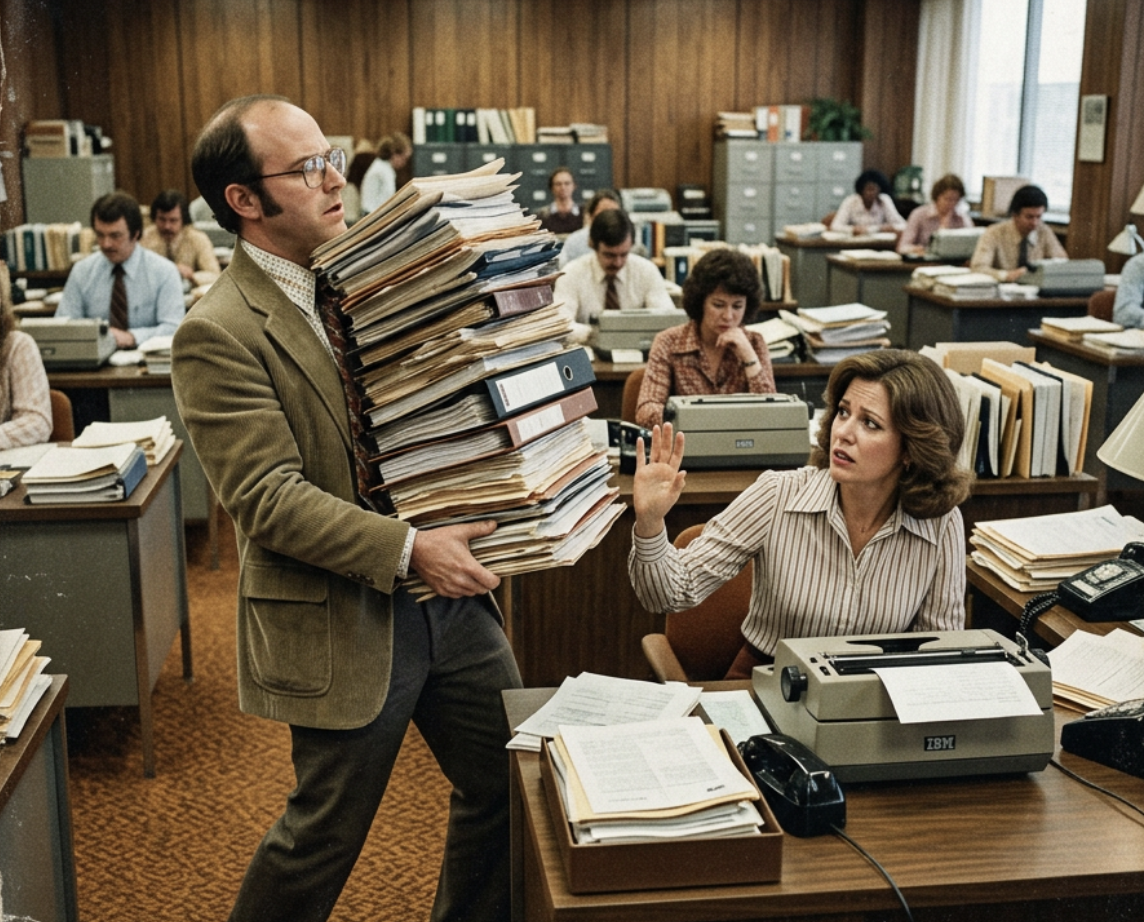
Most accounting firms still run their client collaboration through email. Tax intake documents, missing receipts, signed engagement letters, quarterly review materials. All of it flows through inboxes.
The Accounting Today tech trends report for 2026 found that Directors of Operations increasingly demand searchable, centralized access across files, notes, tasks, and client records. They want structured work. They have unstructured pipes.
An engagement manager at a 30-person firm told us she spends her first 90 minutes every morning doing the same thing: checking which clients responded to document requests, forwarding attachments to the right folders, and updating a shared spreadsheet to track progress. Ninety minutes. Every day. On coordination, not accounting.
2026's real shift: From "which AI tool" to "Does our work actually flow?"
The industry conversation has changed. Accounting Today reports that standalone AI solutions are declining. The trend is toward embedded intelligence that works inside the systems firms already use. Canopy CEO Davis Bell calls it "ambient AI," where intelligence handles summaries, document classification, task creation, and client follow-up inside daily workflows.
This is the right instinct. AI layered on top of broken workflows just produces faster chaos.
What high-growth firms do differently
The firms pulling ahead share one thing: they stopped treating document collection and client follow-up as admin work. They recognized it as the bottleneck.
They replaced the inbox with a structured collaboration layer where every document request has an owner, a deadline, and visible status. When a client can see exactly what they need to deliver, and a manager can see exactly what's missing without sending a single email, the math changes.
Hours come back. Deadlines hold. And that 43% of firms drowning in their own tech stack starts to shrink.
The question for firm partners
Are you still forcing structured work through an unstructured pipe?
See how accounting firms are replacing inbox chaos with visible, structured collaboration.