The number of licensed architects in the U.S. dropped 4% in 2024, falling to around 116,000. According to NCARB, that's below pre-pandemic levels, and the first significant decline in years. About 13% of the remaining architect population is over 65. As baby boomers filter out, the shrinkage will likely continue.
At the same time, the 2025 Future of Work Report from ActionsProve and the Engineering Management Institute, based on a survey of over 500 engineers and architects, confirms what many firm leaders already feel: stress, burnout, and low engagement persist across the AEC industry, hitting mid-career professionals the hardest. Turnover rates in architecture and engineering still haven't fallen, even as other professional industries stabilize.
So the profession is getting smaller. And the people still in it are exhausted. But the cause isn't what most people assume.
It's not the design work
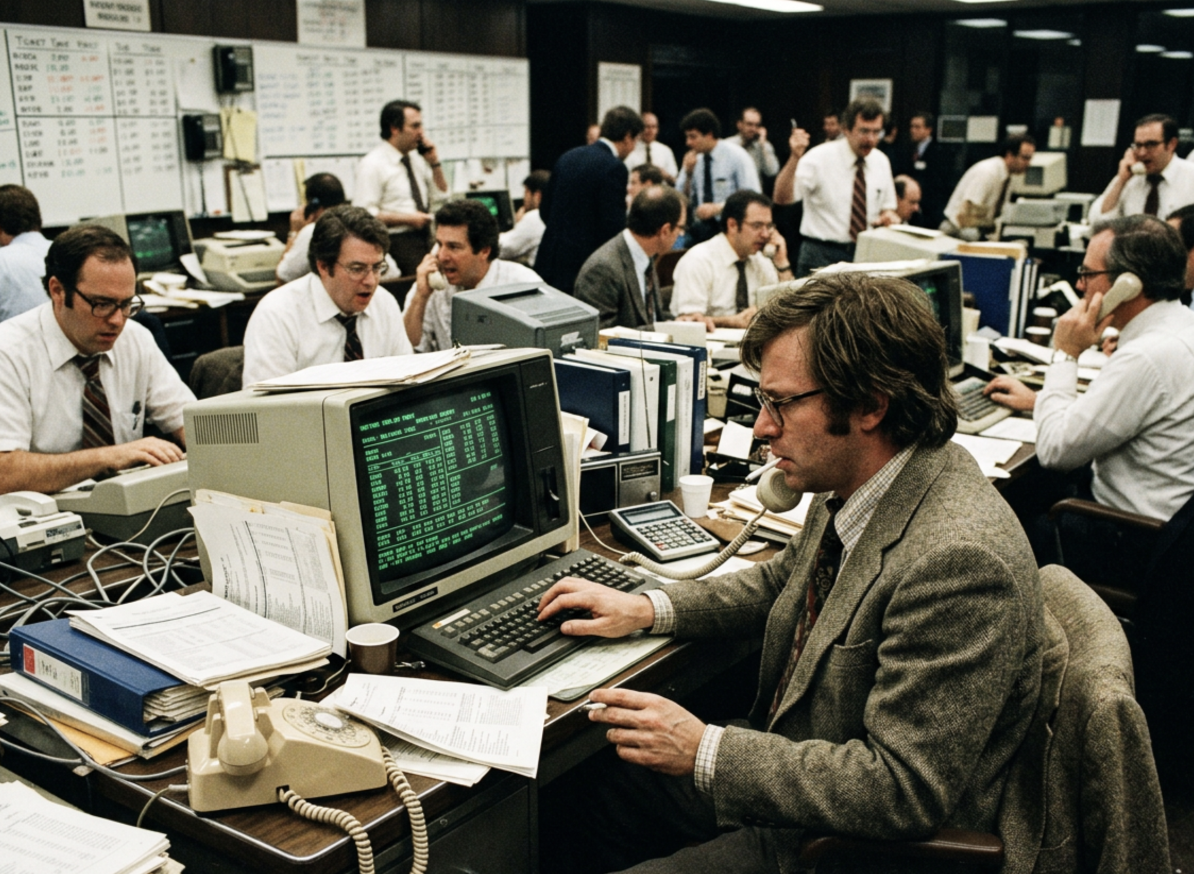
When Monograph surveyed architects about the roots of their burnout, 64.4% pointed to inefficient workflows. Not difficult clients. Not overly ambitious projects. Workflow friction. The invisible machinery of chasing documents, sending follow-ups, and tracking who owes what.
The 2024 edition of the ActionsProve/EMI research (surveying 600+ professionals) found that more than two in three AEC professionals say long work hours are simply expected. Burnout and stress rates were significantly higher for mid-career professionals, the people caught between managing junior staff and answering to firm leadership. And the culture of overwork shows no sign of softening.
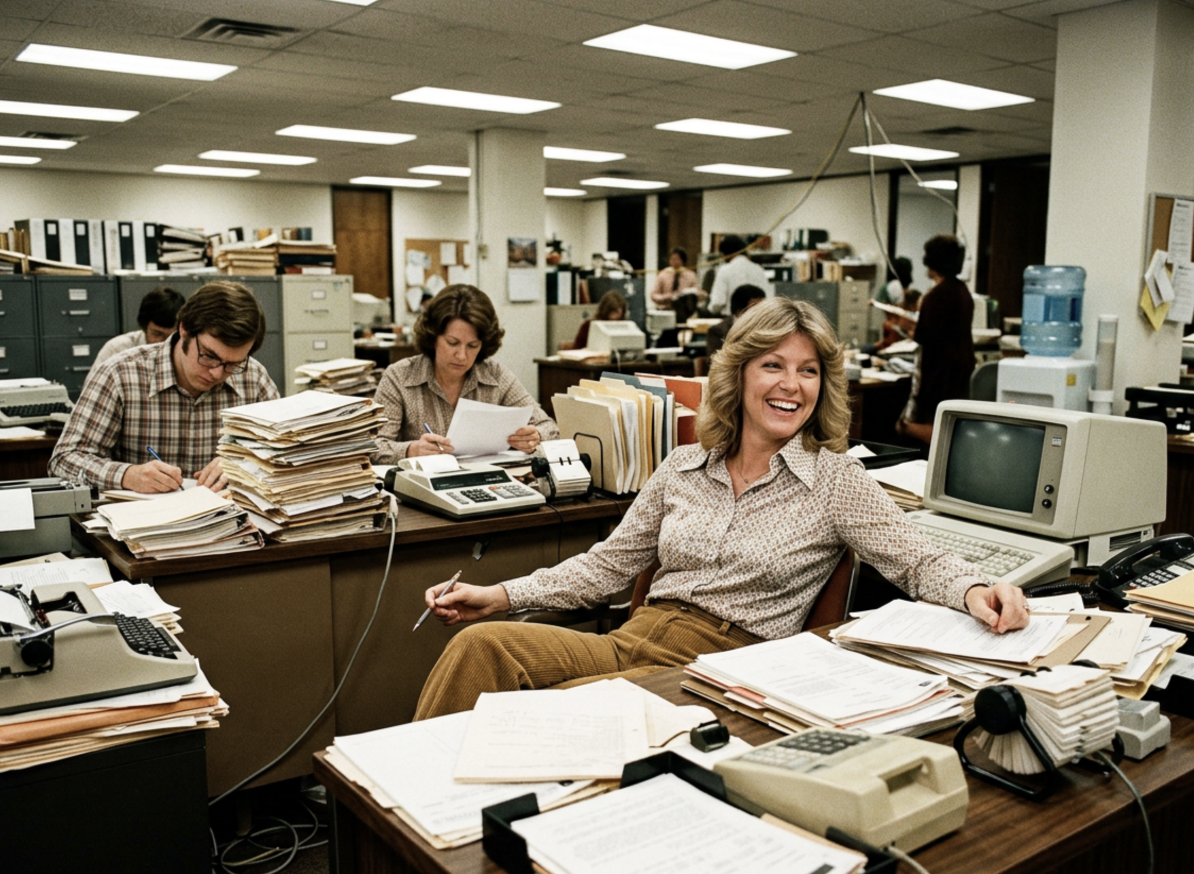
But here's the part that deserves more attention. A large share of those long hours aren't spent on design. The American Institute of Architects estimates that architects spend more than half their time on administrative tasks like billing and time tracking. More than half. These are people who trained for over a decade to design buildings. Instead, they're reconciling spreadsheets and writing follow-up emails.
The $1.6 trillion coordination problem
This problem extends far beyond individual firms. The McKinsey Global Institute found that if construction-sector productivity matched the rest of the economy, it would add $1.6 trillion in value globally. A third of that opportunity sits in the United States alone. And a big part of the gap comes down to how information moves between people on a project.
In a Dodge study referenced by Autodesk, 62% of general contractors flagged poor communication and coordination between team members as the top factor reducing productivity. Document quality issues ranked second. These are not site problems. They're information problems.
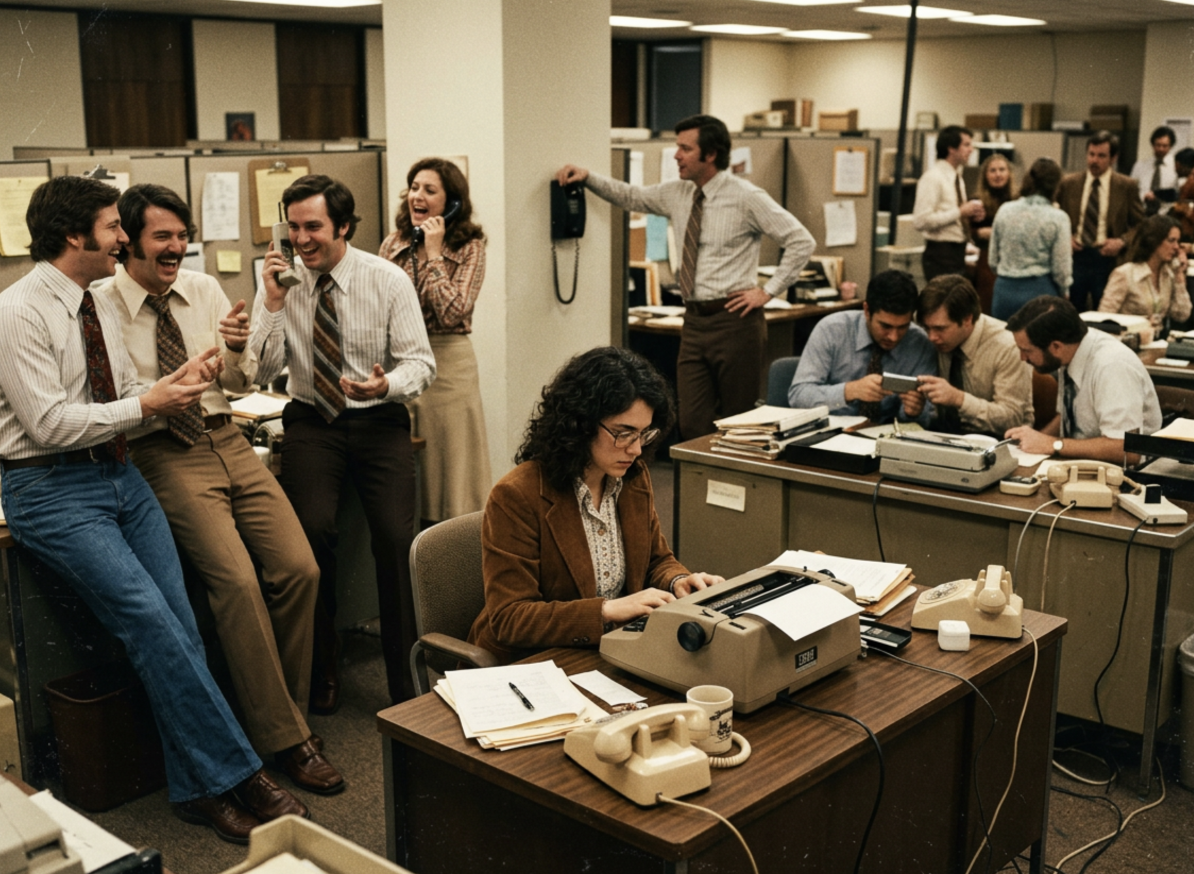
Architecture projects are coordination-heavy by nature. Architects work with structural engineers, MEP consultants, contractors, clients, local authorities, and sometimes dozens of subcontractors. Every one of those relationships generates document requests, revision cycles, approval chains, and follow-ups. And the vast majority of it still runs through email.
Email was never built for this
Email is a chronological list of unstructured text. It doesn't understand priority, responsibility, deadlines, or dependencies. It can't tell you whether a document was reviewed, approved, or sitting in someone's inbox from three weeks ago.
Yet architecture firms use it as their primary collaboration tool with external parties. Client document submissions, consultant deliverables, contractor RFIs, permit applications. All flowing through a system that was designed for personal correspondence.
The result is predictable. Responsibilities live in people's heads. Progress depends on asking. Critical documents travel as attachments with no version control. Follow-ups depend on memory. Status depends on chasing.
When a project hits its deadline crunch (and they all do), this invisible coordination burden explodes. Architects work late not because the design is complex, but because they can't find the right file, can't confirm whether a deliverable was received, or can't get a straight answer about what's still outstanding.
The coordination layer gap
Architecture firms don't lack expertise. They never have. What slows them down is everything around the expertise: the document chasing, the follow-ups, the unclear responsibilities, the lack of visibility into who needs to do what by when.
Some firms have tried to patch this with project management software. But most PM tools are designed for internal task management. They fall short when the collaboration crosses organizational boundaries, which in architecture happens on every single project.
The gap is in the coordination layer. The structured space where document requests, approvals, clarifications, and sign-offs between a firm and its external collaborators actually live and move forward.
When that layer is missing, architects compensate with personal effort. More emails. More calls. More late nights. More burnout.
What changes when coordination gets structure
Picture a project where every document request has a clear owner, a deadline, and acceptance criteria. Where a client can see exactly what's pending from their side without anyone sending a reminder. Where a consultant's deliverable lands in a shared environment with a traceable status, not buried in an inbox.
That's what structured collaboration looks like.
Visible progress replaces guessing. When everyone involved can see what's done and what's outstanding, the daily status check emails disappear. That's hours recovered per week, per person.
Accountability becomes automatic. When responsibilities are assigned and tracked in a shared system, the question "did they send it?" becomes unnecessary. You can see it.
Follow-ups become the exception. In a well-structured environment, people get nudged by the system. Not by a tired project manager writing their fourth reminder of the day.
The behavioral science behind this is straightforward. Completion rates go up when the path forward is clear, visible, and low-friction. Defaults matter. Visibility matters. Removing ambiguity matters.
What firm leaders should take from this
The talent pool is shrinking. The 2025 data confirms burnout and stress haven't improved. The $1.6 trillion construction productivity gap remains wide open. These problems are connected.
They share a common thread: too much professional capacity gets absorbed by coordination work that should be structured, visible, and partially automated, but instead runs through inboxes and spreadsheets.
Firm leaders who address this don't just reduce admin hours. They protect their people from the kind of slow-burn exhaustion that pushes senior talent out of the profession entirely. They create space for the work that actually requires an architect's judgment, creativity, and expertise.
The profession is at an inflection point. Fewer architects, more pressure, same broken workflows. Something has to give.
Firms that fix their coordination layer won't just survive the squeeze. They'll be the ones their clients, consultants, and collaborators actually want to work with.
Architecture firms are rethinking how they collaborate with clients and consultants. See how structured collaboration works for architects and construction professionals.