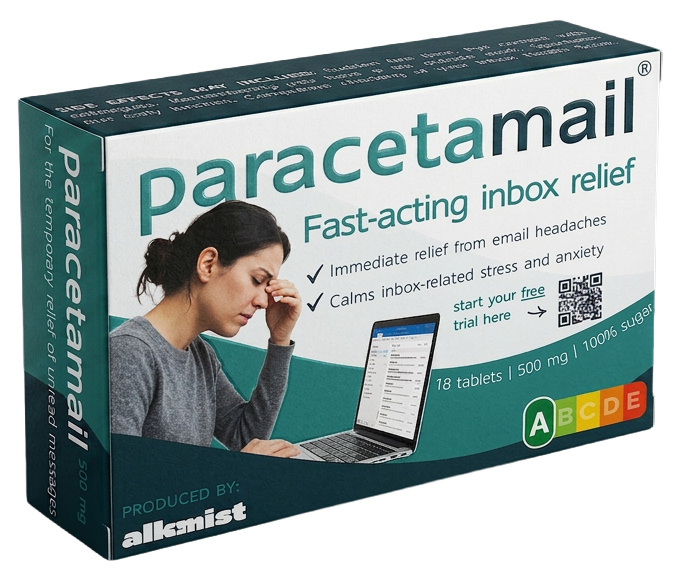
Every professional services firm chases documents. Here's how to automate the follow-up process without damaging client relationships.
Last updated: April 2026
15% of professional time goes to sending manual reminders. That's a full day per week spent following up on document requests that should have been automated from the start. The challenge: automated reminders that sound robotic damage client relationships. The solution: adaptive behavioral follow-ups that adjust tone, timing, and urgency based on context.
Most tools send the same reminder at fixed intervals: "Reminder: Document X is overdue." After the third one, clients either ignore it or get annoyed. Fixed-schedule reminders treat every situation the same — a one-day delay and a three-week delay get identical treatment.
Alkmist applies behavioral science to follow-ups. The system adjusts based on context: early nudges are soft and helpful ("Just checking in — let us know if you need anything"). Later nudges escalate appropriately ("This item is blocking the next phase — here's what we need"). Tone never becomes aggressive.
This approach works because it mirrors how a good account manager would follow up: persistent but professional, urgent but respectful.
A 126-item request list is overwhelming. Nobody starts that. But 12 items in Phase 1 feels manageable. Alkmist chunks large request lists into phases, showing clients a progress bar that fills up as they complete each phase. Visible momentum creates motivation.
Firms using Alkmist report 40% faster project turnaround and clients completing tasks before deadlines. The math: if each follow-up email takes 3 minutes and you send 20 per day, that's an hour of professional time saved daily. Per person. Per year, that's over 250 hours — or €37,500 at €150/hour.
We'll walk you through the exact flows your team would use — from client intake through completion. No generic product tour.