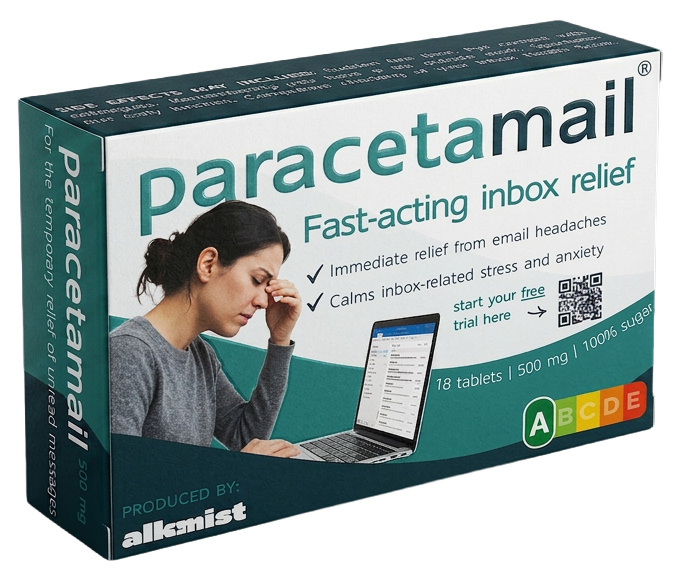
How audit teams can replace email-thread chasing with structured client follow-ups, request tracking, and secure collaboration, explained in ten points.
Audit follow-up automation works because it is triggered by request status, stops when documents arrive, escalates only the stuck, and keeps a clean trail, all on top of structured requests. Here are ten things to know, with Alkmist as one EU-hosted option.
Audit follow-up automation is often misread as sending more emails automatically. Done well it is the opposite: fewer, better-timed nudges driven by each request's status.
These ten points explain how it works and what to look for.
What audit teams should understand about follow-up automation.
Good automation nudges based on whether an item is received, not a fixed calendar.
Received items drop out of the cycle, so no client is chased for what they sent.
The genuinely overdue route to a person with context; the rest stay automated.
Requests live in a portal, so follow-up is tracked, not lost in threads.
Automation works because each ask is a tracked item with an owner and due date.
Every reminder is logged, which is better evidence than a scattered inbox.
Targeted, well-timed nudges beat blanket blasts and preserve the client relationship.
Most audit time lost to chasing disappears when follow-up runs itself.
Collection through the portal stays encrypted, screened, and access-controlled.
For EU clients, the follow-up and the data behind it should stay in the EU.
See Alkmist in action
See how Alkmist nudges by status, escalates the stuck, and logs it all. Book a demo.