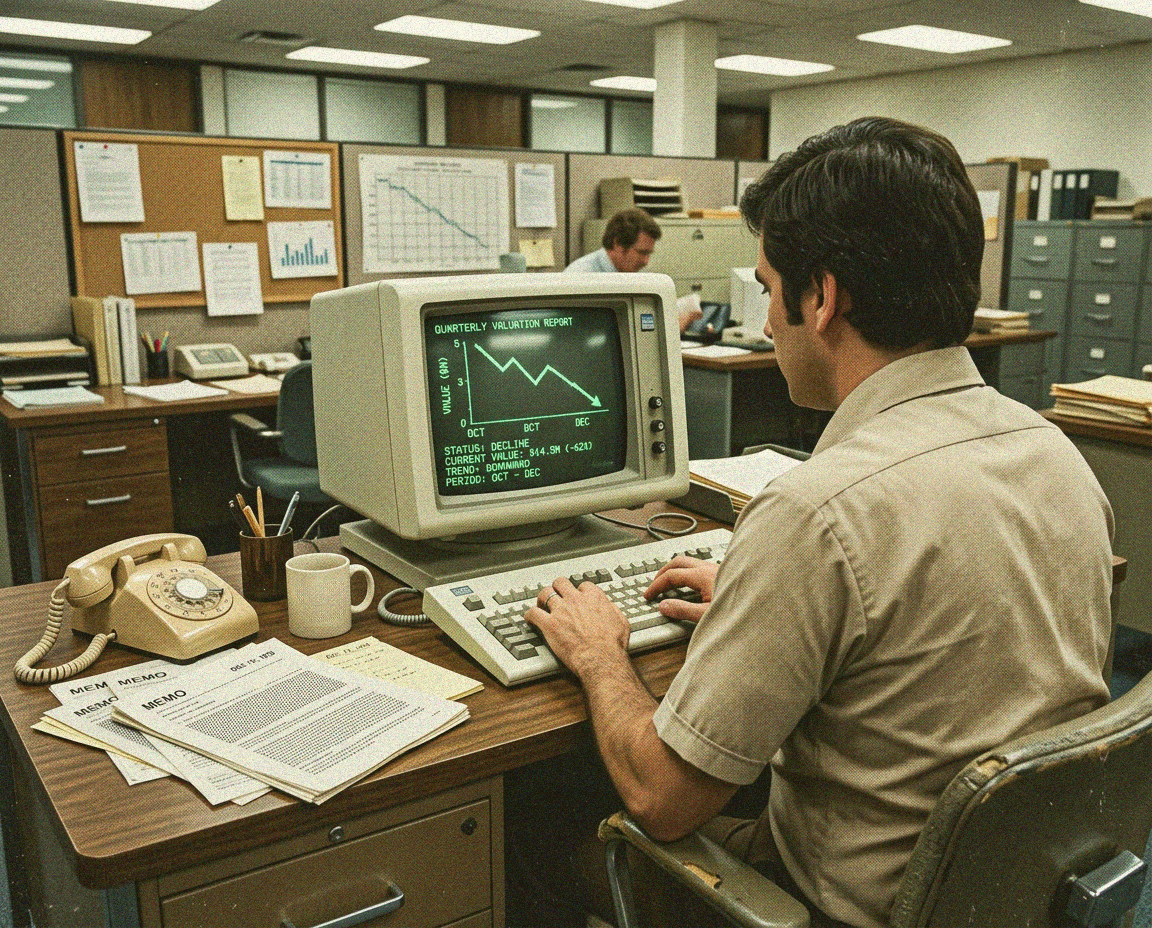
Global M&A hit $4.9 trillion in 2025. A record. More money changed hands between companies than in any year in history.
And yet, between 70% and 90% of those deals will fail to create the value they promised. That number comes from decades of research compiled by Wharton, and it hasn't improved much over time. Bayer's $63 billion Monsanto acquisition erased over $50 billion in shareholder value. HP wrote down $8.8 billion after buying Autonomy. Kraft Heinz racked up $28 billion in write-downs.
The usual suspects get blamed. Overpaying. Cultural mismatches. Unrealistic synergy targets. But there's a quieter, more common problem that rarely makes the headlines.
Due diligence falls apart before anyone even gets to valuation.
The real bottleneck nobody talks about
A joint study by SRS Acquiom and Mergermarket, surveying 150 senior executives at U.S. investment banks, found that 40% of boutique firms identified incomplete information on a target company as the biggest hurdle in their most recent buy-side deal. One in five respondents said due diligence timelines have already stretched by one to three additional months. And 73% expect the process to become even more complex over the next two years.
That complexity isn't abstract. It shows up as missing documents. Unanswered requests. Financial records buried in email threads that nobody can trace. Status updates that depend on someone asking the right person at the right time.
According to Brinen & Associates, a law firm specializing in M&A litigation, one of the most common causes of due diligence failure is disorganized information. When a buyer can't quickly verify what the seller claims, trust erodes. Deals get renegotiated. Or they die.
The invisible time tax
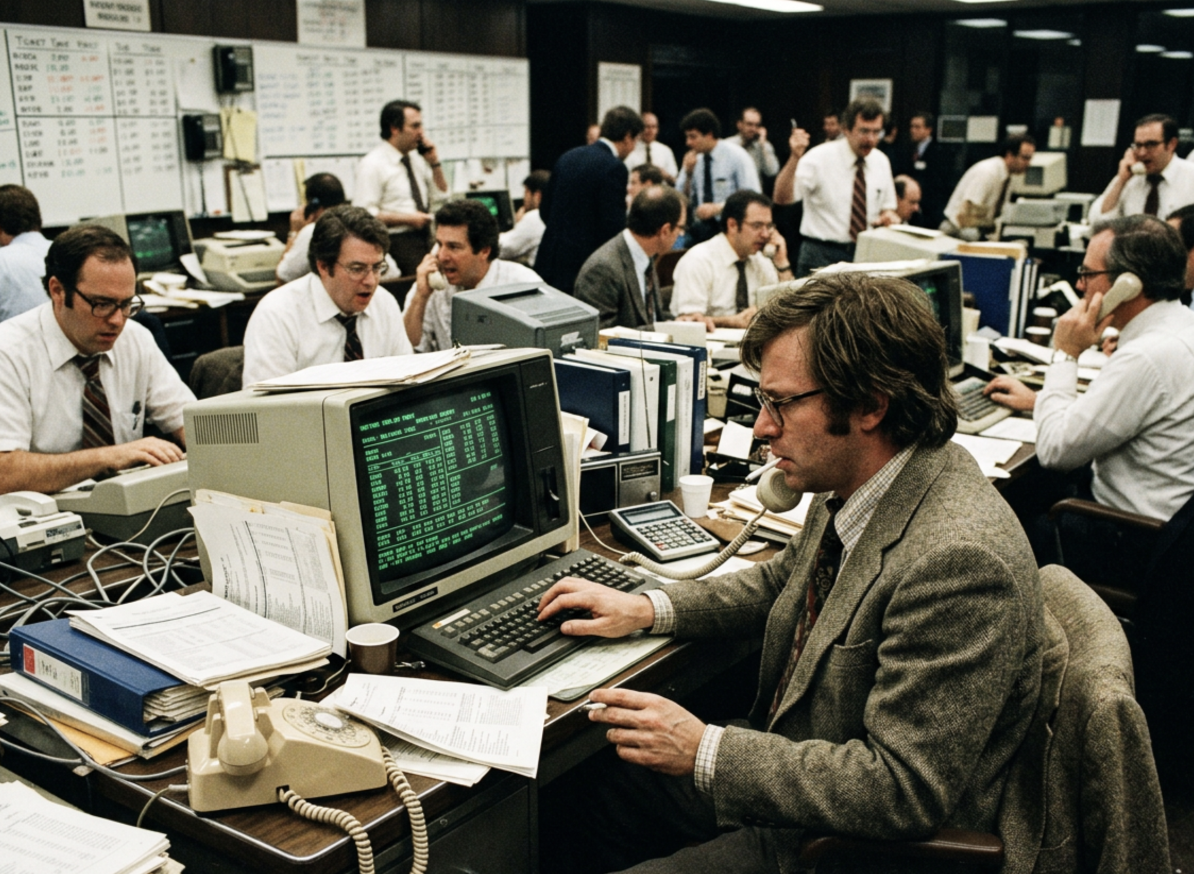
Think about how most M&A advisory teams actually run due diligence day-to-day.
A partner sends an email to the client's CFO requesting a list of outstanding liabilities. The CFO forwards it to the controller. The controller downloads a spreadsheet, updates three rows, and emails it back. The partner downloads the attachment, checks it against a tracker in another spreadsheet, realizes a column is missing, and sends another email. Two days pass. Someone follows up. The controller was on leave.
Multiply that by 50 document requests across 12 due diligence categories, and you start to see where months disappear.
DealRoom, an M&A process management platform, reported that directors frequently rely on long, disorganized email chains to delegate and track due diligence work across teams. The result: duplicated effort, missed deadlines, and critical information trapped in individual inboxes.
This isn't a new observation. But the stakes keep rising.
Complexity is accelerating, not slowing down
PwC's 2026 M&A outlook notes that deal timelines are speeding up at the same time that diligence is getting deeper and more data-driven. That tension, more scrutiny in less time, is where mistakes happen.
And the scope keeps expanding. The SRS Acquiom study found that 47% of respondents now rank technology due diligence as their top priority. Cybersecurity scrutiny is expected to increase across 84% of firms in the next 12 to 24 months. Political law compliance, sanctions risk, ESG exposure, they all pile on.
For M&A advisors, the question isn't whether deals need more thorough diligence. Everyone agrees on that. The question is how to run thorough diligence without drowning in coordination overhead.
Where the time actually goes
Advisors don't lose deals because they lack expertise. They lose deals because the logistics of collecting, tracking, and verifying documents eat their capacity alive.
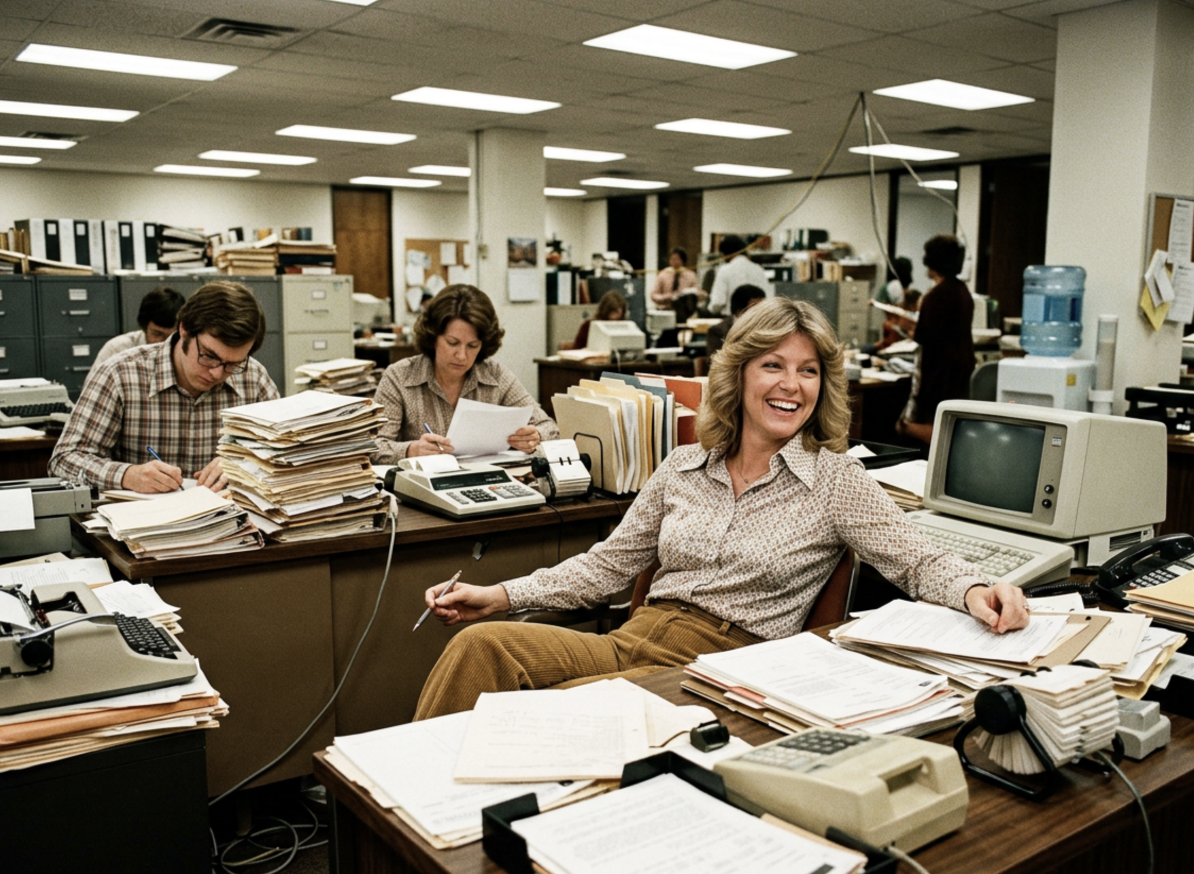
Consider what a typical buy-side due diligence process requires: financial statements, tax returns, contracts with change-of-control clauses, IP ownership records, employee agreements, environmental assessments, customer concentration data. Each category involves multiple parties, multiple rounds of review, and multiple versions of the same document.
The coordination load, who owes what, by when, and whether it's been reviewed, is enormous. And most of it runs through email.
Email was never designed to manage structured, multi-party workflows under deadline pressure. It's a chronological list of unstructured text. It can't tell you which requests are still pending. It can't show you whether a document has been reviewed or just received. It can't flag that a critical item is three days overdue and blocking the next phase of work.
So advisors build elaborate spreadsheets to track it all. And those spreadsheets become stale the moment someone forgets to update a row.
What 83% of PE leaders already know
Accenture's research on private equity due diligence found that 83% of PE leaders say their due diligence processes have substantial room for improvement. Nearly all (90%) believe higher-quality diligence leads directly to better value creation planning.
The gap between knowing the problem and fixing it is where most firms sit. They agree the process is broken. They just haven't changed the infrastructure.
Meanwhile, Baker McKenzie reports that AI adoption in M&A workflows is expected to jump from 16% to 80% within three years. That shift will only work if the underlying collaboration infrastructure is structured enough for AI to operate on. You can't extract intelligence from scattered email threads and half-updated spreadsheets.
The infrastructure problem
There's a pattern here. Advisory firms invest in better financial models. Better legal review frameworks. Better valuation methodologies. But the collaboration layer underneath, the system that determines whether the right document reaches the right person at the right time, stays manual.
It's the difference between upgrading the engine and ignoring the fuel line.
Structured collaboration infrastructure turns document requests into trackable action items with clear ownership, deadlines, and acceptance criteria. Every interaction becomes visible. Progress doesn't depend on asking. Status doesn't depend on chasing.
For M&A advisors managing buy-side or sell-side diligence, this means the partner can see at a glance which of 200 document requests are complete, which are blocked, and which are overdue. The client sees exactly what's needed from them. The associate doesn't spend two hours each morning checking email for updates.
The firms that move first
Deals with more than 90 days of due diligence have 34% higher success rates than those rushed through in under 45 days. But extending timelines isn't free. Every additional month costs money in advisor fees, management distraction, and deal risk.
The way to get both, thorough diligence and reasonable timelines, is to remove the friction from the process itself. Not by working harder, but by working in a system designed for structured, multi-party collaboration.
Alkmist to the rescue
The firms that figure this out first will close better deals, faster. The ones that don't will keep wondering why their spreadsheet said everything was on track when it wasn't.
M&A advisory teams are replacing email-driven document chaos with structured taskflows. See how Alkmist works for M&A advisory.